Career path
How to become a Fashion Designer in the UK
The UK is a global fashion capital, and fashion designers shape what people wear — from luxury houses and high-street brands to sportswear, costume and independent labels. It is a fiercely competitive, portfolio-driven creative career where talent, graft and a strong body of work matter more than grades. This guide covers the routes in, the skills brands hire for, honest salary expectations and the visa reality for international students.
- Salary range£20K – £100K
- Demand levelHighly competitive
- Training time3 years (BA) + portfolio
- Visa eligibilitySkilled Worker (limited)
What does a Fashion Designer do?
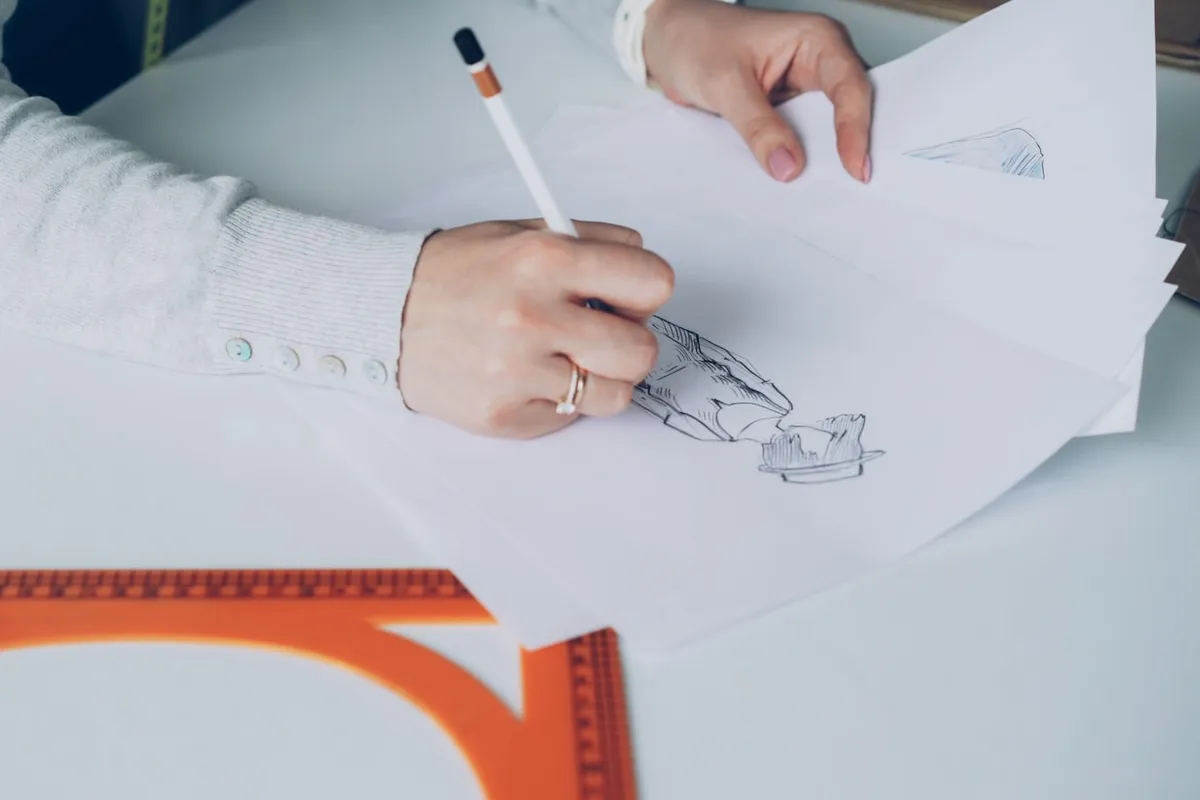
Fashion designers conceive and develop clothing and accessories — from initial trend research and mood boards through sketching, fabric and colour selection, pattern-cutting, draping and sample development, to final production-ready designs. The work varies enormously by sector: a luxury or designer label emphasises creativity and craftsmanship; a high-street brand works fast to commercial trends and tight margins; sportswear blends design with technical performance; costume and textiles serve theatre, film and TV. Designers collaborate closely with pattern-cutters, garment technologists, buyers and manufacturers, and increasingly work with digital design tools and sustainable-materials considerations. It is a competitive field where a distinctive portfolio and real industry experience open doors.
- Research trends and design garments and collections
- Sketch, drape, pattern-cut and develop samples with makers
- Work across luxury, high-street, sportswear and costume
- Hired on the strength of a portfolio, not just qualifications
UK salary ranges
Fashion-design pay starts low and is highly variable — the industry is competitive and weighted towards a small number of well-paid senior and creative-director roles. Commercial sectors (high-street, sportswear, buying-adjacent design) tend to pay more reliably than luxury or independent design, where prestige can substitute for salary early on.
London dominates UK fashion — most design houses, studios and head offices are there, and it pays the most, though living costs are high. Commercial design and manufacturing work exists in other regions at lower pay. Early roles, especially in luxury and independent fashion, can be low-paid or internship-based, so a realistic view of the early finances matters.
Typical entry routes
BA Fashion Design (3 years)
The standard route. A fashion degree builds design, pattern-cutting, garment-construction and portfolio skills, usually with a live brief or placement. For most employers the graduating portfolio matters more than the grade.
Foundation + degree
An art-and-design foundation year is a common preliminary step that builds a portfolio and helps you choose a specialism before committing to a full fashion degree — a well-regarded pathway, especially for students switching into design.
Fashion / textiles apprenticeship
Design, garment-technology and textiles apprenticeships offer a lower-debt, experience-first entry for UK students, earning while training on real product with an employer funding the qualification.
Portfolio-first + industry experience
Because hiring is portfolio-led, talented designers do enter via short courses, internships and self-directed work backed by a strong portfolio. A degree still helps for structured training and (for international students) visa sponsorship, but the portfolio is decisive.
Skills you'll need
Technical skills
- Design, illustration and technical drawing
- Pattern-cutting, draping and garment construction
- Fabric, textiles and colour knowledge
- CAD and digital design (Adobe suite, 3D/CLO)
- Trend research and range planning
- Understanding of production and sustainability
Behavioural skills
- Creativity and a distinctive point of view
- Commercial awareness of the market and customer
- Taking and acting on feedback
- Time management under seasonal deadlines
- Collaboration with makers, buyers and technologists
- Resilience in a competitive industry
Major UK employers
Designer & luxury fashion houses
High-end labels prize creativity and craftsmanship — prestigious, formative and competitive, but often lower-paid at entry.
High-street & retail brands
Commercial fashion retailers design fast to trends and margins — the largest, most reliable employer of designers, with clearer progression and pay.
Sportswear & activewear
Sportswear and performance brands blend design with technical materials and function — a growing, commercially strong sector.
Freelance & own label
Many designers freelance or build an independent label — creative freedom and ownership, but uneven income and no sponsorship route.
Costume, textiles & theatrical
Theatre, film and TV costume, plus textiles and print studios, offer design careers adjacent to mainstream fashion.
Buying, merchandising & production
Commercially minded designers move into buying, product development and production management — well-paid, business-facing routes within the industry.
Career progression
- Years 0–3
Junior / Assistant Designer
Support a design team, develop technical and commercial skills, and build a portfolio of real, produced work.
- Years 3–6
Fashion Designer
Own designs and small collections, specialise (womenswear, menswear, sportswear, accessories) and build industry relationships.
- Years 6–10
Senior Designer
Lead ranges and set direction for a brand or category, managing junior designers and working closely with buying and production.
- Years 10+
Head of Design / Creative Director
Own a brand’s creative vision — or build an independent label, consultancy or own-label business.
Who you are matters — pick your path
For international students
- UK visa route
- Skilled Worker visa (viable mainly for salaried roles at larger brands that clear the threshold)
- Salary vs visa threshold
- Fashion-designer roles are skilled, but junior salaries frequently sit near or below the general Skilled Worker threshold, which makes graduate-level sponsorship difficult. Salaried roles at larger commercial brands and sportswear companies clear the threshold more comfortably and are the realistic sponsored routes.
- Sponsor licence density
- Low — Sponsorship is limited: the industry is dominated by small studios, independent labels and freelance work that rarely sponsor, and even prestigious houses may not for junior roles. Larger high-street and sportswear brands with formal HR functions are the most likely sponsors. International designers should target commercial employers of scale rather than luxury or independent fashion if they need a visa.
- Graduate Route considerations
- A UK fashion degree gives access to the 2-year Graduate Route, which is valuable in a portfolio-led field — it provides time to gain UK industry experience and build a local portfolio before moving into a role that can be sponsored.
- English-language requirements
- The Skilled Worker visa requires English at CEFR B1 (approved test, English-taught degree, or majority-English-speaking nationality). Design teams are collaborative and commercial, so working English is useful in practice even where the visa bar is met.
For UK & Settled-Status students
- Student loan ROI
- A fashion degree costs £9,535/year on a Plan 5 loan (9% of income above £25,000). Starting salaries are low, so early repayments are minimal, but so are early earnings — the return improves for those who reach senior, commercial or creative-director roles, or build a successful label or consultancy.
- Apprenticeship vs degree
- Fashion, textiles and garment-technology apprenticeships let UK students earn while they train on real product, with the employer funding the qualification — a lower-debt, experience-first alternative to a traditional degree in a hands-on industry.
- UCAS timeline
- Fashion degrees apply through UCAS on the standard cycle, and most require a portfolio or interview alongside grades — build your portfolio well before applying. An art-and-design foundation year is a common preliminary step that strengthens it.
- Industry placements
- A placement or sandwich year in a design studio, brand or manufacturer is one of the strongest routes into the industry — it builds the portfolio, the commercial experience and the contacts that often lead directly to a first role.
- Regional salary differences
- London holds the majority of design houses, studios and head offices and pays the most, though living costs are high. Commercial and manufacturing roles exist across other regions at lower pay. In fashion, sector and seniority drive earnings more than location.
UK degree courses that lead to this career
AEN partners with these UK universities and colleges offering courses on the fashion designer pathway:
See all courses in this field: Fashion →
FAQ — Becoming a Fashion Designer in the UK
Do I need a degree to become a fashion designer?
Not strictly — fashion is portfolio-driven, and a strong body of work with real industry experience can matter more than a qualification. But a fashion degree remains the most common route: it builds design, pattern-cutting and construction skills, a graduating portfolio and industry contacts, and is usually expected for Skilled Worker visa sponsorship. Apprenticeships and portfolio-first routes are viable alternatives, especially for UK students.
What skills does a fashion designer need?
A mix of creative and technical skills: design and illustration, pattern-cutting, draping and garment construction, fabric and colour knowledge, CAD and digital design (Adobe, and increasingly 3D tools like CLO), trend research and range planning, plus commercial awareness of the market and customer. A distinctive portfolio demonstrating these is what gets you hired.
How much do fashion designers earn in the UK?
Junior and assistant designers typically start at £20,000–£26,000, designers earn £28,000–£40,000, senior designers £42,000–£60,000, and heads of design or creative directors £65,000–£100,000. Commercial sectors (high-street, sportswear) pay more reliably than luxury or independent fashion, and London pays most.
Is fashion design a competitive career?
Very. There are many more graduates than design jobs, especially in luxury and independent fashion, and early roles can be low-paid or internship-based. The most reliable prospects are in commercial sectors — high-street, sportswear, and the buying and product-development side. A distinctive portfolio, industry placements and persistence are what turn the degree into a career.
Can international students become fashion designers in the UK?
It's possible but harder than in many fields. Fashion-designer roles are eligible for the Skilled Worker visa, but the industry is dominated by small studios, independent labels and freelance work that rarely sponsor, and junior salaries often sit near the threshold. The realistic sponsored routes are salaried roles at larger high-street or sportswear brands, so target commercial employers of scale.
What sectors can fashion designers work in?
Luxury and designer labels, high-street and commercial retail, sportswear and activewear, costume for theatre/film/TV, textiles and print, and independent own-label work. Many designers also move into the commercial side of the industry — buying, merchandising and product development — which is often better paid than pure design.
How important is a portfolio?
It is the single most important thing. Fashion employers hire primarily on the portfolio — a focused, distinctive body of work that shows your design ability, technical skills and point of view. Build it continuously through your studies, placements, live briefs and personal projects, and tailor it to the sector you want to work in.
Can I start my own fashion label?
Many designers do, though it's demanding. Launching a label combines design with running a business — sourcing, production, cash flow, marketing and sales — and most successful founders first build experience, contacts and a distinctive identity working within the industry. It offers creative ownership but uneven income, and it isn't compatible with the Skilled Worker visa, which needs an employer sponsor.
Your next step
Ready to start your fashion designer journey?
Take the 60-second quiz and we'll match you to UK courses that lead to this career — checked against your eligibility, visa status and budget.
- Free for students
- British Council certified advisors
- 7 days a week, 14 languages
Average response time: under 30 minutes during business hours.