
UK CITY GUIDE
Study in London
London is the UK's largest student city and one of the most international places to study anywhere in the world. Roughly 400,000 students from more than 200 countries are spread across a metro area of nine million people, attending dozens of universities and specialist colleges. For prospective international students, no other UK city offers the same density of campuses, employers, embassies, cultural institutions and travel connections. London is also AEN's biggest hub — we work with partner institutions in every major zone of the capital, from Croydon and Uxbridge to the City and Stratford, with intakes running throughout the year.
280 courses currently available in London — browse them all →
Quick facts about London
Why study in London?
London's academic landscape is unmatched in the UK. The city is home to globally ranked research universities including UCL, King's College London, Imperial and LSE, alongside a deep network of teaching-focused universities and specialist colleges. AEN partners directly with ARU London, UCLAN London, Regent College London, LSC London, FSB Croydon, BUIC Uxbridge, GBS, Arden University London, UKCBC and LCCA — between them they offer Foundation Year, HNC/HND, top-up degree, undergraduate and postgraduate routes across business, computing, law, health, fashion and the creative industries. What makes London distinct is not just the academic depth but the proximity to industry. A Computing student can intern at a fintech in Canary Wharf; a Fashion student can attend London Fashion Week as part of their course; a Law student can sit in on hearings at the Royal Courts of Justice. Multi-campus universities mean you can often pick a learning site that matches the part of London you want to live in, and many AEN partners run two or three intakes per year, giving you flexible entry points.
Cost of living
London is the most expensive UK city to study in, and you should budget honestly. For 2026, a realistic monthly student budget sits between £1,400 and £1,800. Accommodation is the biggest line: expect £800-£1,200 a month for a room in a shared flat or purpose-built student housing, with central zones at the top end. Food shopping at supermarkets like Lidl, Aldi or Sainsbury's runs around £180-£250 a month if you cook at home. A monthly 18+ Student Oyster Photocard travelcard saves 30% on Tube and bus passes — budget £100-£160 depending on which zones you cross. Mobile, broadband (usually included with halls), gym and books add another £80-£120. Social spending varies wildly; £150-£250 a month covers eating out, cinema, concerts and weekend trips for most students. Working part-time on a Student visa (up to 20 hours during term) materially closes the gap.
Where to live as a student
Camden & Kentish Town
Camden in Zone 2 is one of the most popular student areas in north London — markets, live music venues, canalside pubs and easy Northern Line access into UCL, King's and the West End. Kentish Town just north is quieter and slightly cheaper, with good Overground links. Expect £900-£1,150 a month for a room in a shared flat.
Stratford & East London
Stratford in Zone 2/3 has been transformed since the 2012 Olympics — Westfield shopping, the Olympic Park for running and swimming, and Elizabeth Line trains that reach central London in under 15 minutes. Popular with ARU London and UEL students. Modern purpose-built student accommodation here typically runs £850-£1,100 a month.
Greenwich & New Cross
Greenwich in Zone 2/3 offers a riverside, village-like feel with the historic park, observatory and weekend market, plus DLR and Thameslink links. New Cross next door is rougher around the edges but cheaper, and Goldsmiths students dominate the area. Rooms typically £750-£1,000 a month, making this one of the better-value student zones.
Getting around
London runs on its transport network, and as a student you should learn it early. The Underground (Tube), Overground, DLR, Elizabeth Line and bus network are unified under the Oyster card and contactless system, with the 18+ Student Oyster Photocard giving 30% off travelcards once you register with your university. Cycling is a serious option — TfL's Santander Cycles hire scheme costs £3 a day and the city has expanding segregated cycle superhighways. Most of central London is walkable between zones; from Covent Garden to South Bank is 15 minutes on foot. Night buses run 24 hours, and the Tube runs all night on Fridays and Saturdays on five key lines. For weekend trips, King's Cross, Euston, Paddington and Liverpool Street put the rest of the UK and continental Europe within a few hours by train.
Student life in London
Student life in London is whatever you want it to be — and that's both the appeal and the challenge. On any given evening you can choose between West End theatre, Premier League football, free museum lates at the V&A or Tate Modern, comedy nights in Soho, gigs in Camden or Shoreditch, or pickup basketball in a riverside park. The food scene reflects the city's diversity: Brick Lane for South Asian, Chinatown for Cantonese and Sichuan, Peckham for West African, Edgware Road for Lebanese, Tooting for South Indian. Parks are central to surviving London — Hyde Park, Regent's Park, Hampstead Heath, Victoria Park and Greenwich Park are all free, vast and well-used by students for running, picnics and outdoor study. Sport is everywhere: most universities run BUCS leagues across 50+ sports, and the city hosts world-class athletics, tennis (Wimbledon), rugby (Twickenham) and cricket (Lord's, The Oval). London's nightlife is varied and inclusive, from underground clubs in Vauxhall and Hackney to riverside pubs in Putney. Most importantly, the city rewards curiosity — student-priced museum tickets, theatre standby seats and free walking tours make culture genuinely accessible.
Famous landmarks & things to see
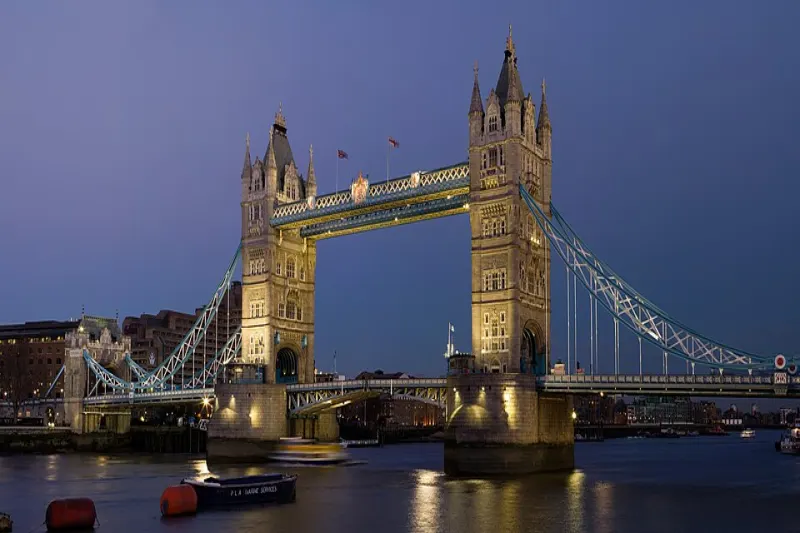
Tower Bridge and the Tower of London
The iconic Victorian bascule bridge sits beside the 11th-century Tower of London — home to the Crown Jewels — and remains one of the most photographed scenes in the UK.
Photo: Wikimedia Commons
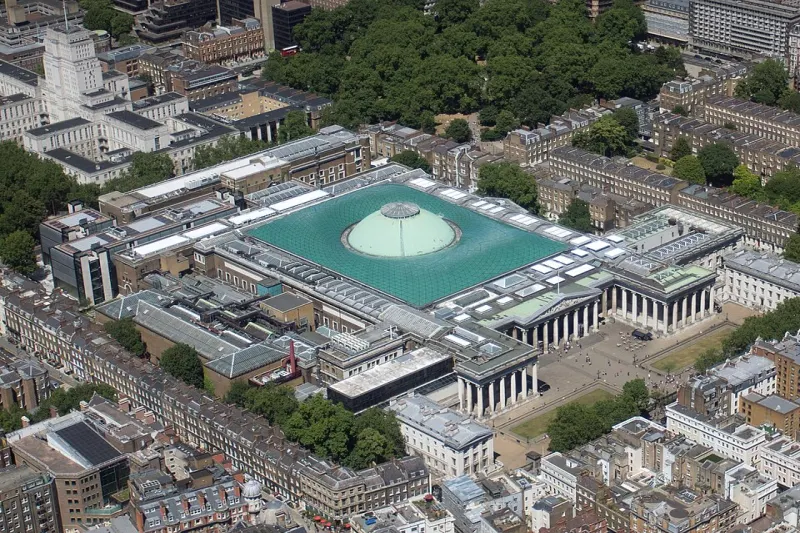
British Museum
Free to enter and home to eight million works from across human history, including the Rosetta Stone and the Parthenon sculptures. An essential weekend stop for any student in the city.
Photo: Wikimedia Commons
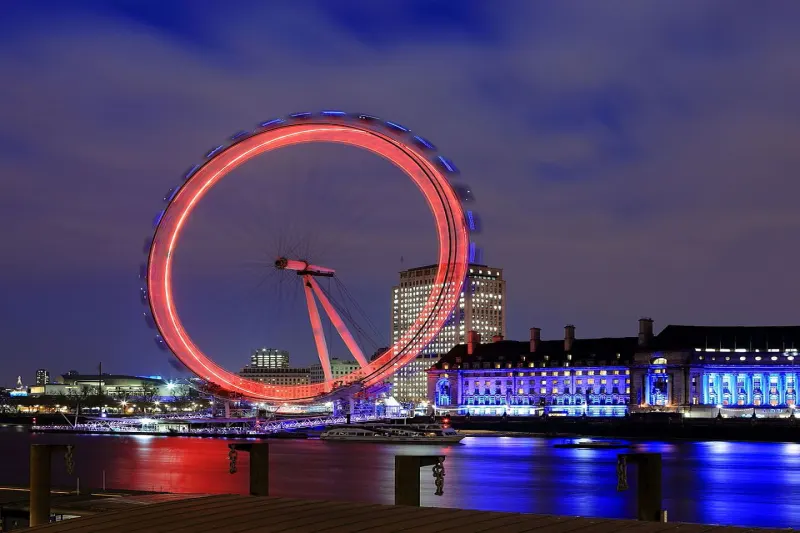
South Bank and the London Eye
A continuous riverside walk from Westminster to Tower Bridge passing the Eye, the National Theatre, Tate Modern and Shakespeare's Globe — central to London student life year-round.
Photo: Wikimedia Commons

Hyde Park and Kensington Gardens
A 625-acre green space in central London with the Serpentine, Speakers' Corner, free outdoor swimming in summer and the Royal Albert Hall a short walk away.
Photo: Wikimedia Commons
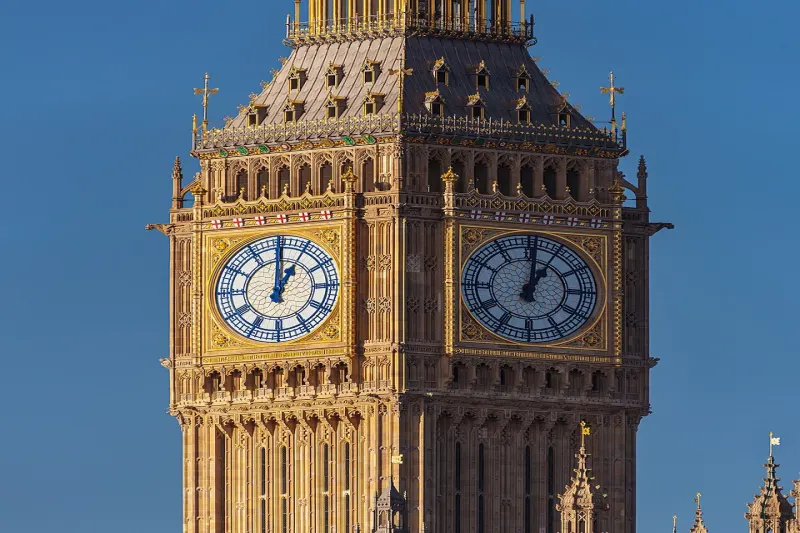
Big Ben and the Houses of Parliament
The neo-Gothic Palace of Westminster on the Thames is the working seat of UK government and a UNESCO World Heritage Site, freshly restored after a decade of conservation work.
Photo: Wikimedia Commons
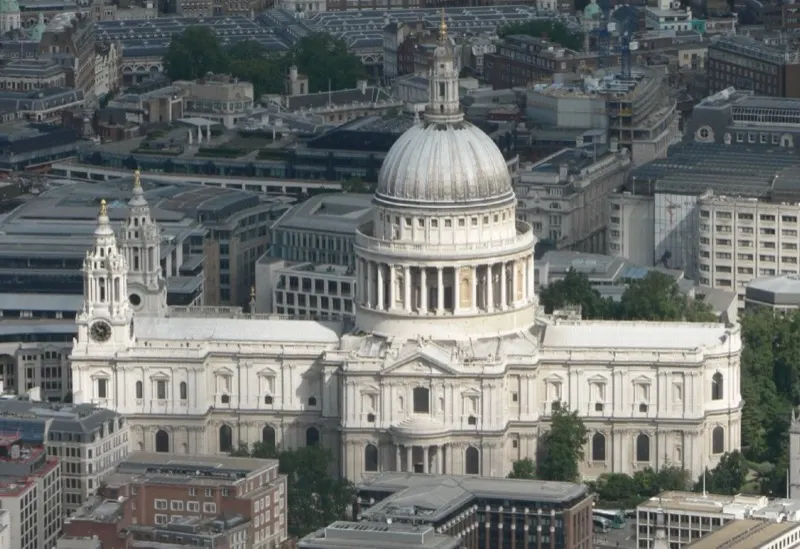
St Paul's Cathedral
Sir Christopher Wren's masterpiece dominates the City of London skyline with its iconic dome. Climb to the Whispering Gallery and Stone Gallery for one of the best panoramic views of the capital, or attend a free choral evensong service.
Photo: Wikimedia Commons
Major industries & employers
Finance
The City and Canary Wharf together form one of the world's two leading financial centres — global headquarters for HSBC, Barclays, Lloyd's of London and most major investment banks.
Technology
King's Cross hosts Google's UK HQ and DeepMind, Shoreditch is home to scale-ups and AI labs, and the city is Europe's largest tech employment market.
Creative and media
Soho is the global advertising and post-production hub, with the BBC, Channel 4 and most UK film and TV producers based in or around the capital.
Professional services
All four Big Four accountancy firms, the Magic Circle law firms and most leading global consultancies have their UK HQs in London — major recruiters of graduates.
Life sciences
The Francis Crick Institute, UCLH and the King's Health Partners cluster make London one of Europe's leading centres for biomedical research and pharmaceutical development.
Tourism and hospitality
London is one of the world's top tourist destinations, hosting 30 million+ international visitors a year and supporting a vast hospitality, hotel and events industry employing hundreds of thousands across the capital.
Annual events & festivals
London Fashion Week
February and September
One of the Big Four global fashion weeks, with shows across the city and a packed schedule of public talks, exhibitions and pop-ups around it.
Notting Hill Carnival
August Bank Holiday weekend
Europe's largest street festival celebrates Caribbean culture across west London, with sound systems, steel bands and Brazilian-style parades drawing more than two million people.
BFI London Film Festival
October
The UK's biggest public film festival shows hundreds of new features and shorts across central London cinemas, with discounted student tickets and director Q&As.
Wimbledon Championships
Late June to early July
The world's oldest tennis Grand Slam, played on grass in south-west London. The famous queue system lets students get same-day ground passes for a few pounds.
Lord Mayor's Show
Mid-November
An 800-year-old procession through the City of London with the Lord Mayor's coach, military bands, floats and an evening fireworks display over the Thames.
London Marathon
Late April
One of the world's six Major marathons, with elite athletes and 50,000+ amateur runners crossing the capital from Greenwich to The Mall.
Top subjects in London
Business & Management
London is Europe's biggest financial centre, with the City, Canary Wharf and a vast SME ecosystem giving business students unmatched internship and networking access.
Law
The UK legal system is centred on London, and AEN partners offer LLB and conversion routes within easy reach of the Inns of Court, Royal Courts of Justice and global law firms.
Computing & Data
London is home to fintech, AI labs, scale-ups and big-tech European HQs — strong demand for graduates in software, data and cybersecurity.
Fashion & Design
London Fashion Week, world-famous studios and a dense network of buyers and brands make the city a global hub for fashion, textiles and design.
Arts, Media & Film
From the BBC to indie production studios, plus a huge live performance scene, London supports unusually broad opportunities for media, film and performing arts students.
FAQ — studying in London
Is London too expensive for international students?
It is the most expensive UK city, but it's not unmanageable if you plan honestly. Budget £1,400-£1,800 a month including rent, with the biggest variable being where you live and whether you cook at home. Most international students share flats or live in purpose-built student accommodation, where bills and Wi-Fi are typically included in the rent. Student Oyster cards take 30% off travel, and the city offers an enormous amount of free or cheap entertainment — most national museums are free, parks cost nothing, and student discounts apply across cinemas, theatres and gyms. Many students on a Student visa work up to 20 hours a week during term, which can meaningfully offset costs. The trade-off is that you're paying for access to opportunities that don't exist in other UK cities.
Which London universities and colleges does AEN work with?
Our direct London partners include ARU London, UCLAN London, Regent College London, LSC London (London School of Commerce), FSB Croydon, BUIC Uxbridge, GBS (Global Banking School), Arden University London, UKCBC and LCCA (London College of Contemporary Arts). Between them we can place you on Foundation Year, HNC/HND, top-up, undergraduate and postgraduate programmes across business, law, computing, health and creative subjects. Because London is so spread out, we typically start by understanding which part of the city you'd prefer to live in and which subject area suits you, then match you to a partner campus and intake. Most partners run two or three intakes per year, so you don't have to wait twelve months if you miss September.
Where do most international students live in London?
The most popular student zones tend to sit just outside Zone 1 — Camden, Stratford, Greenwich, Whitechapel, Mile End, Wembley and parts of Croydon and Uxbridge near AEN partner campuses. Purpose-built student accommodation is the most common choice for first-year international students because it bundles bills, Wi-Fi, security and social activities, and you can typically book directly through the provider before you arrive. Shared private flats become more popular in second and third year once you've made friends. Where you live should be driven by your campus location and budget, not just postcode prestige — a 25-minute Tube commute in London is completely normal, and zones 2-4 generally offer far better value than zone 1 for student rooms.
Can I work part-time while studying in London?
Yes, if you hold a UK Student visa you can usually work up to 20 hours a week during term time and full-time during vacations, subject to the conditions printed on your visa vignette and Biometric Residence Permit. London has a huge part-time job market in hospitality, retail, customer service and on-campus roles, with the National Living Wage providing a baseline hourly rate. We always advise students to focus on academic performance first — working too many hours in your first term, especially while adjusting to UK life, is a common cause of failed modules. Talk to your university's careers service about CV-relevant roles like research assistant, student ambassador or campus tour guide, which often pay similarly to retail but build your professional network.
Your next step
Ready to start your application in London?
Talk to an AEN advisor — we'll match you to the right course, check your eligibility, and walk you through the application step by step.
- Completely free for students
- British Council certified advisors
- 7 days a week, 14 languages
Average response time: under 30 minutes during business hours.