
UK CITY GUIDE
Study in Plymouth
Plymouth is the largest city on the south coast of England west of Bournemouth, with around 265,000 people and a student community of more than 30,000 across the University of Plymouth, Plymouth Marjon University and Plymouth International College. The city's identity is shaped by the sea — it is one of the world's most historically significant naval ports, home of the Royal Navy's submarine fleet, the launching point of the Mayflower, and now home to the UK's only National Marine Park (designated 2019). For international students, Plymouth offers a combination unique among UK cities: significantly lower living costs than London or the South East, world-leading marine science research, dramatic coastline and Dartmoor National Park on the doorstep, and one of the mildest climates in mainland UK. AEN works with Plymouth International College (PIC) and partner providers in the city.
67 courses currently available in Plymouth — browse them all →
Quick facts about Plymouth
Why study in Plymouth?
The University of Plymouth is a modern teaching and research university with particularly strong programmes in marine sciences (Europe's largest marine research department), engineering, computing, business, education, and the health sciences — particularly nursing and midwifery. The Marine Biological Association, Plymouth Marine Laboratory and the new £30m Marine Station give marine sciences students access to research infrastructure that is genuinely world-class. Plymouth Marjon University is a smaller, teaching-focused institution with strengths in sport, education, journalism and the social sciences. Plymouth International College (PIC), AEN's direct partner in the city, runs Foundation Year, Undergraduate Diploma and Pre-Masters routes designed for international students who need an academic and English-language bridge into University of Plymouth degrees. On successful completion of your PIC pathway, you progress into the relevant University of Plymouth degree on the same campus environment. AEN's Plymouth placements focus on Marine Sciences, Engineering, Health and Social Care and Business routes. The city's combination of academic strength, dramatic natural setting and significantly lower cost than southern English alternatives makes it a distinctive option in our network.
Cost of living
Plymouth is one of the most affordable large UK student cities and meaningfully cheaper than London, Bristol or Exeter. For 2026, budget £800-£1,050 a month. A room in a shared house in Mutley Plain or Greenbank typically costs £400-£550, while purpose-built student accommodation close to the University of Plymouth campus runs £550-£800 a month with bills included. Food shopping at Lidl, Aldi or Plymouth Market is around £140-£190 a month — fresh seafood is unusually affordable given the city's location. Local transport on Plymouth Citybus and Stagecoach South West costs around £35 a month with a 4-week student pass. Mobile, broadband (often included in PBSA), gym and books add £60-£90. Social spending of £100-£170 covers nights out at the Barbican and city centre, cinema, sailing or kayaking trips on Plymouth Sound, and weekend trips into Dartmoor or the Cornish coast — many of which are free or very cheap. Part-time work in the city's substantial hospitality, retail and on-campus sectors is widely available.
Where to live as a student
Mutley Plain
Mutley Plain is Plymouth's classic student neighbourhood, immediately north of the University of Plymouth campus and a 10-minute walk to lectures. Plenty of Victorian terraces converted into shared student houses, a lively high street with cafes, bars and the famous Roundabout pub, and quick access to the city centre. Rooms in shared houses typically £400-£550 a month — one of the best-value central student areas in the South West.
Greenbank
Greenbank, immediately east of the campus, is the second main student area in Plymouth — quieter than Mutley, with rows of terraced houses and quick walking access to lectures. Rooms in shared houses typically £400-£550 a month. Particularly popular with second and third-year students who have made friends and want to share a proper house together rather than live in halls.
Stoke
Stoke, west of the city centre near the historic dockyards, is a residential area with handsome Georgian and Victorian houses and a quieter, more local atmosphere. Rooms in shared houses typically £350-£500 a month, making it one of the most affordable student areas. A short bus ride or 20-minute walk to the campus. Suits postgrads, mature students or those who want a calmer base.
Getting around
Plymouth is compact and well-served by public transport. The city centre is fully walkable in 15-20 minutes, with the University of Plymouth campus immediately north of the centre. The bus network — Plymouth Citybus and Stagecoach South West — covers the city and surrounding area, with a 4-week student pass costing around £35. There is no tram or metro. Cycling is improving with new dedicated lanes along the major corridors, and the National Cycle Network Route 27 (the Devon Coast to Coast) starts in Plymouth and runs north to Ilfracombe. Plymouth Station puts you in London Paddington in 3 hours on Great Western Railway, Bristol in 2 hours, and Exeter in 1 hour — useful for weekend trips. The Cremyll Ferry, Mount Batten Ferry and Torpoint Ferry give quick water access to the Cornish side of the Tamar — an unusual and pleasant feature of Plymouth life. Exeter Airport is 50 minutes by car for regional flights, and Bristol Airport (2 hours) is the main regional hub for European destinations.
Student life in Plymouth
Plymouth's student life is shaped by the sea and the proximity to dramatic landscapes. The Barbican (the historic harbour quarter) is the heart of student social life with pubs, restaurants, the Plymouth Gin Distillery and the Mayflower Steps, and the Royal William Yard nearby offers a more upmarket waterside scene. The city centre has the main student nightlife strips and a credible selection of bars and clubs, though the scene is smaller than Manchester or Leeds. The food scene has improved substantially with strong seafood restaurants taking advantage of the city's location, plus growing South Asian, Mediterranean and East European cuisines reflecting the city's diversity. Sport is exceptional at the University of Plymouth, with a major sports centre and outdoor sports including sailing, kayaking and surfing genuinely accessible to all students through clubs and societies. Plymouth Sound National Marine Park is the obvious draw — sailing schools, kayak hire, wild swimming and coastal walks are all available year-round. Dartmoor National Park is 30 minutes by car or bus for hiking, climbing and trail running, and the Cornish coast — including Looe, Polperro and the Eden Project — is accessible by train or bus for weekend trips. Plymouth Argyle Football Club, Plymouth Albion Rugby and the Plymouth Raiders basketball team cover local elite sport.
Famous landmarks & things to see
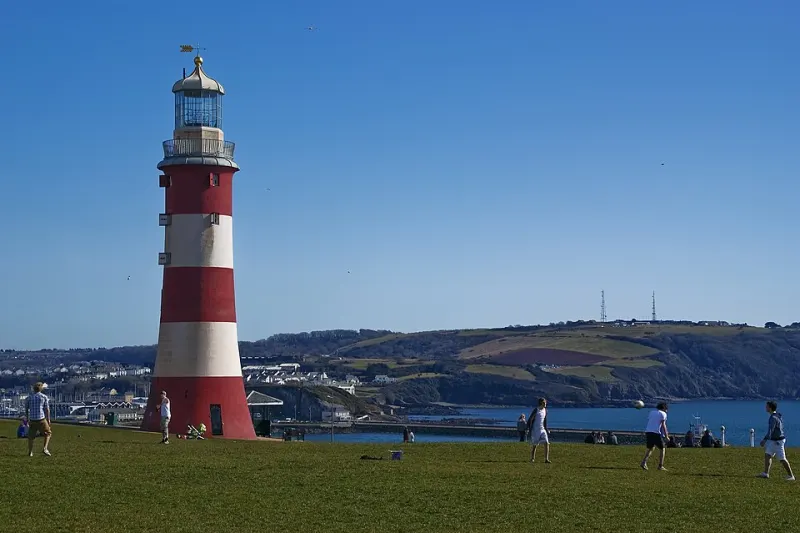
Plymouth Hoe
A famous waterfront promenade and grass headland where Sir Francis Drake reputedly played bowls before the Spanish Armada in 1588 — now a popular open-air gathering point with views over Plymouth Sound and the lighthouse Smeaton's Tower.
Photo: Wikimedia Commons
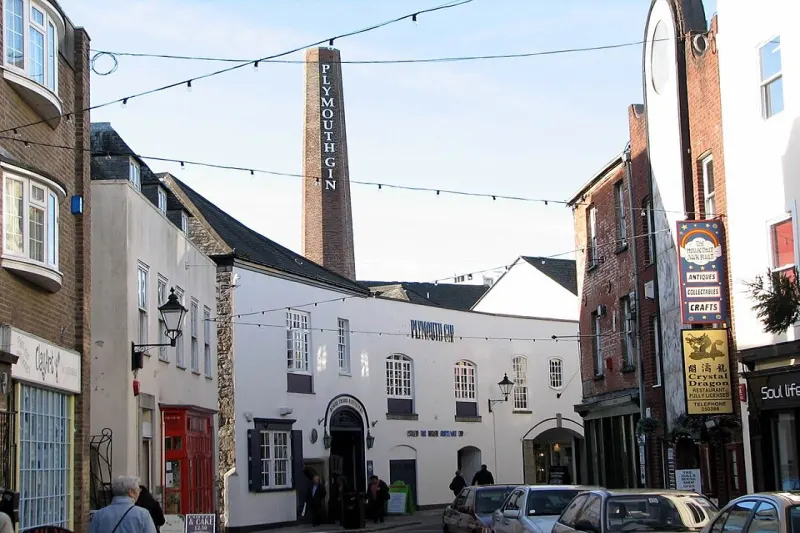
Plymouth Gin Distillery
The oldest working gin distillery in England, founded in 1793 and based in the historic Barbican quarter — tours and tastings run year-round and the distillery's gin is exported globally as one of the city's defining brands.
Photo: Wikimedia Commons
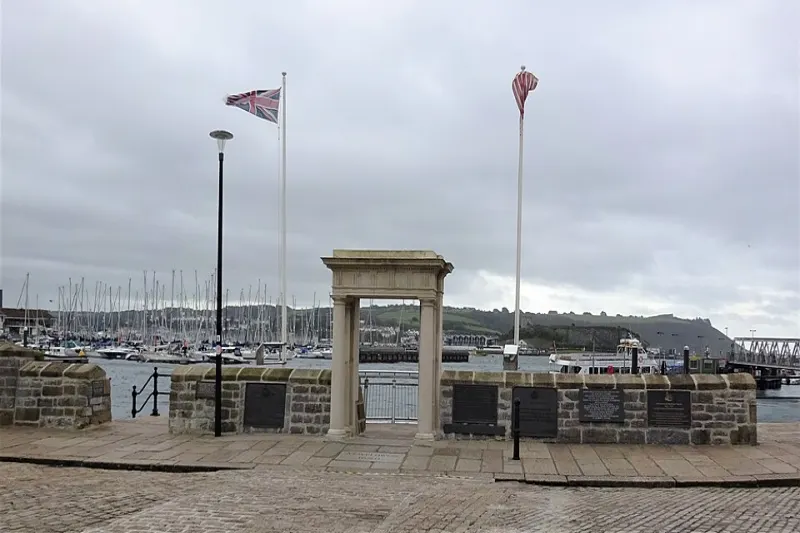
Mayflower Steps
The historic point on the Barbican waterfront from which the Pilgrim Fathers sailed for the Americas in 1620 on the Mayflower — marked with a memorial and an interpretation centre telling the story of one of the most significant voyages in history.
Photo: Wikimedia Commons
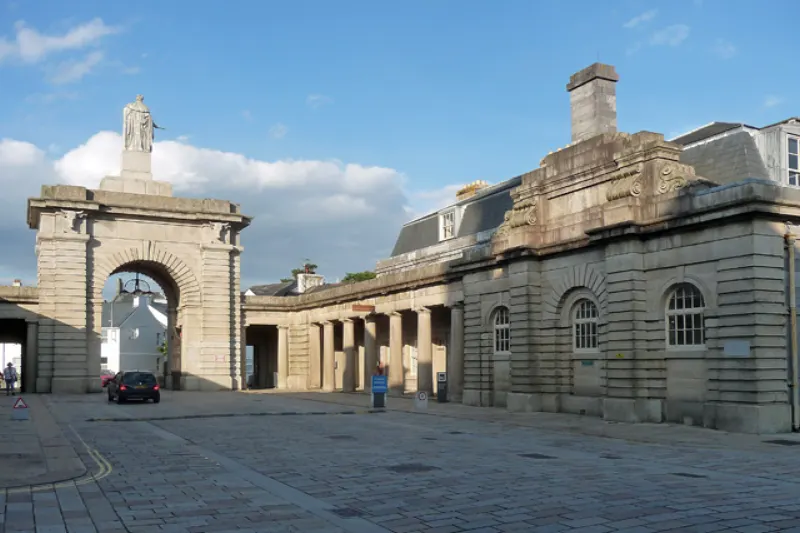
Royal William Yard
A complex of Grade I-listed Victorian naval buildings redeveloped into restaurants, bars, art galleries and apartments — one of the most attractive waterside dining areas in the South West and a popular weekend destination for students.
Photo: Wikimedia Commons

Plymouth Sound National Marine Park
Designated in 2019 as the UK's first and only National Marine Park, covering the dramatic coastline and waters around the city — a major resource for marine science students and weekend recreation including sailing, kayaking and wild swimming.
Photo: Wikimedia Commons
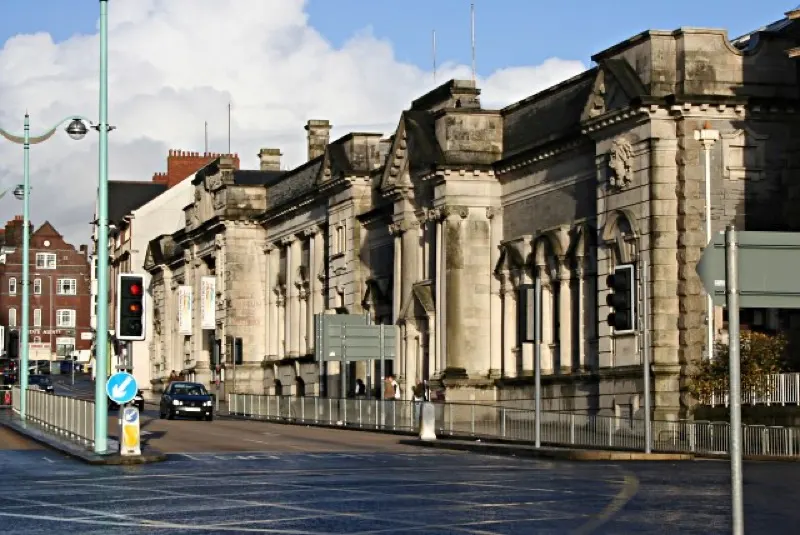
The Box
Plymouth's flagship museum and gallery, reopened in 2020 after a major £46m redevelopment combining the historic Plymouth City Museum building with new galleries. Permanent displays on the city's maritime, Mayflower and Tudor history, plus changing contemporary art exhibitions.
Photo: Wikimedia Commons
Major industries & employers
Marine sciences and blue economy
The University of Plymouth hosts the largest marine science research department in Europe, and the city's Marine Biological Association and Plymouth Marine Laboratory anchor a substantial blue economy cluster employing thousands across the South West.
Defence and naval engineering
HM Naval Base Devonport is Western Europe's largest naval base and the home of the Royal Navy's submarine fleet, employing more than 10,000 people across the base and the wider defence engineering supply chain in Plymouth.
Advanced manufacturing
Plymouth has a substantial manufacturing base including precision engineering, marine engineering, and the major Princess Yachts shipyard, which builds luxury motor yachts and is one of the city's largest private employers.
Healthcare
University Hospitals Plymouth NHS Trust runs Derriford Hospital — one of the largest hospitals in the South West — and the wider regional NHS provision creates substantial placement environments and graduate employment routes for health students.
Tourism and hospitality
Plymouth's coastal location, history and proximity to Dartmoor and the Cornish coast make it a substantial tourism destination, with hospitality and visitor economy roles widely available for students.
Higher education
The University of Plymouth and Plymouth Marjon University together host 30,000+ students and play a major role in the city's economy, with strong programmes in marine biology, medicine and education.
Annual events & festivals
British Firework Championships
August
The UK's premier fireworks competition, held over two nights on Plymouth Hoe with the top UK firework companies competing against the backdrop of Plymouth Sound — a free public event drawing 100,000+ spectators.
Plymouth Pirate Weekend
May
A free family festival celebrating the city's seafaring heritage, with pirate-themed events, street performances, a parade and live music across the Barbican and waterfront.
MTV Crashes Plymouth
Varies
Periodically held free music events on Plymouth Hoe featuring major MTV-affiliated headliners, drawing tens of thousands of attendees to the waterfront — a defining summer event when scheduled.
Flavour Fest
August
Plymouth's biggest free food festival, held in the city centre over a weekend each summer with hundreds of stalls, cooking demonstrations, live music and street food from across the South West.
Plymouth Seafood Festival
Mid-September
Three-day festival on the Barbican celebrating the city's fishing heritage with chef demos, live music and seafood landed by the local fleet.
Plymouth Half Marathon
Late April
Popular spring race that loops the city's historic waterfront and seafront, attracting 5,000+ runners annually.
Top subjects in Plymouth
Marine Sciences
The University of Plymouth hosts Europe's largest marine science research department and the city's Marine Biological Association and Plymouth Marine Laboratory create a genuinely world-class research environment.
Engineering
Plymouth's defence and naval engineering heritage continues through HMNB Devonport and Princess Yachts, and the University of Plymouth's engineering programmes have strong industry links across the South West.
Health & Social Care
Derriford Hospital is one of the largest in the South West and the University of Plymouth runs substantial nursing, midwifery and allied health programmes — strong placement environments for international students through AEN partners.
Business & Management
Plymouth Business School runs well-regarded programmes with growing links to the South West's tourism, marine and defence sectors, and the regional economy creates real graduate opportunities.
Geography & Environmental Sciences
Plymouth's coastal and Dartmoor environment makes it an exceptional base for geography and environmental science programmes, with field-based learning genuinely embedded in the curriculum.
FAQ — studying in Plymouth
What is Plymouth International College (PIC) and how does it lead into the University of Plymouth?
Plymouth International College (PIC) is a pathway college based at the University of Plymouth, designed specifically for international students who need an academic and English-language bridge into University of Plymouth undergraduate or postgraduate degrees. Typical routes are an International Foundation Year (leading into year 1 of an undergraduate degree), an International Year One (leading into year 2 of selected undergraduate degrees), and a Pre-Masters (leading into a postgraduate Masters degree). On successful completion of your PIC pathway, you progress directly into the relevant University of Plymouth degree, with the same student services and access to the university's facilities. Multiple intakes run through the year. AEN works directly with PIC and we handle the full application, accommodation and visa support process.
Is Plymouth too far from London for international students?
Plymouth is three hours by direct train from London Paddington — meaningfully further than midlands or northern cities, and noticeably further than Bristol or Exeter. For students who plan to spend regular weekends in London or who want frequent access to London-based job opportunities during their degree, Plymouth is a less efficient base than other AEN destinations. But for students who are choosing Plymouth specifically for its marine science research, dramatic natural setting, or significantly lower cost than southern English cities, the distance from London is part of the trade-off — and for many students, an active advantage. Plymouth offers a complete, self-contained student environment with access to Dartmoor, Cornwall and the South West coast that simply isn't available in any commuter-belt city. London is reachable for occasional weekends or industry events when needed.
What is Plymouth Sound National Marine Park and why does it matter for students?
Plymouth Sound was designated as the UK's first and only National Marine Park in 2019, covering the dramatic coastline and waters around the city — over 12 square miles of protected sea, coastline, beaches and reefs. For marine science students this is a genuinely unique resource: it provides an immediately accessible field-research environment of national significance, with the University of Plymouth's Marine Station, the Marine Biological Association and Plymouth Marine Laboratory all operating directly within or adjacent to the park. For all students it provides exceptional outdoor recreation — sailing, kayaking, paddleboarding, wild swimming, snorkelling and shore walks are all available year-round, with the mildest UK climate making this feasible even in winter. Many international students who come to Plymouth take up water sports for the first time, often through university clubs that subsidise equipment and training.
How does the climate in Plymouth compare to other UK cities?
Plymouth has one of the mildest climates in mainland UK, mainly because of its position on the south coast, the warming influence of the Gulf Stream and its sheltered position behind Cornwall. Winter average temperatures rarely drop below 5°C, snow is very rare (sometimes none for several consecutive winters), and frosts are far less common than in inland or northern cities. The trade-off is rainfall — Plymouth gets around 170 rainy days a year (more than London's 110), reflecting the wetter weather of the South West generally. Summers are mild rather than hot, with average highs around 20°C. For international students from warm climates, the relatively mild winters and absence of significant snow are real practical advantages — you can walk and cycle year-round without serious winter gear, and the coast is genuinely usable for outdoor activity in spring and autumn.
Your next step
Ready to start your application in Plymouth?
Talk to an AEN advisor — we'll match you to the right course, check your eligibility, and walk you through the application step by step.
- Completely free for students
- British Council certified advisors
- 7 days a week, 14 languages
Average response time: under 30 minutes during business hours.