Career path
How to become a Registered Nurse in the UK
Nursing is one of the UK's most reliable graduate careers — over 700,000 registered nurses work across the NHS, private hospitals and the care sector, and the workforce shortage means demand has never been higher. This guide covers everything you need to plan a UK nursing career, whether you're applying from abroad on a visa route or from inside the UK as a settled-status or home-fee student.
- Salary range£28K – £48K
- Demand levelVery high
- Training time3 years (BSc)
- Visa eligibilityHealth & Care Worker
What does a Registered Nurse do?
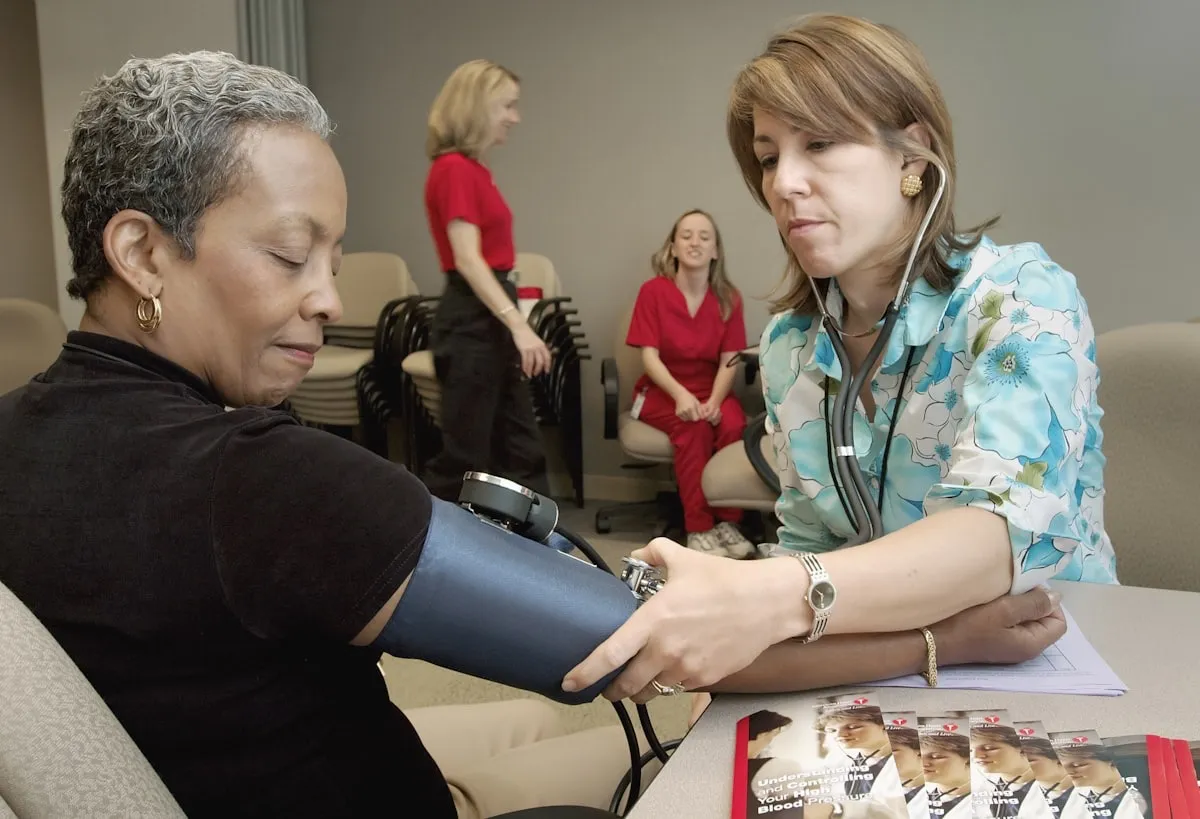
Registered nurses assess patient needs, deliver clinical care, administer medication, document treatment plans and coordinate with doctors, allied health professionals and social workers. Day-to-day work depends on specialty: a hospital ward nurse manages 6–8 patients per shift across acute medical or surgical needs; a community nurse visits patients in their homes; an A&E nurse triages and treats emergency arrivals; a mental health nurse runs therapeutic and pharmacological care plans. All nurses must be registered with the Nursing and Midwifery Council (NMC) before practising.
- Direct patient assessment, treatment and medication management
- Coordinate with doctors, pharmacists and social workers across multidisciplinary teams
- Specialise after 2–5 years into ITU, mental health, oncology, paediatrics, A&E and more
- Work in NHS Trusts, private hospitals, hospices, GP surgeries or community settings
UK salary ranges
Most UK nurses are paid on the NHS Agenda for Change pay bands. Salaries are nationally standardised, with high-cost area supplements for London (Inner / Outer / Fringe). Private and care-sector nurses are paid similarly to NHS rates, sometimes slightly above for shortage specialties.
London weighting adds £4,300 (Inner) / £3,700 (Outer) / £1,200 (Fringe) on top of base pay. A Band 5 newly qualified nurse working at a central London teaching hospital earns ~£32,700–£38,800 in their first year — meaningfully higher than the national £28,400 floor.
Typical entry routes
BSc (Hons) Nursing — 3 years
The standard route. Half of degree time is clinical placement in NHS Trusts. UCAS application required. Foundation Year available for international students whose qualifications don't yet meet UK entry standards.
Nursing Degree Apprenticeship — 4 years
For UK home students. Employer pays your tuition; you earn a wage from day one (~£20,000+ as a trainee). No student debt. Available through most NHS Trusts and approved private healthcare employers.
Postgraduate (MSc) Pre-registration Nursing — 2 years
If you already hold a related undergraduate degree (Health Sciences, Biology, Psychology, etc.), an accelerated MSc gets you to NMC registration in two years rather than three.
Overseas-trained nurse pathway — 6–12 months
If you qualified as a nurse in your home country, the NMC has a separate registration pathway involving English-language testing, a computer-based test and an OSCE (clinical exam) at one of 15 UK test centres.
Skills you'll need
Technical skills
- Clinical assessment and observation
- Medication management and pharmacology basics
- Wound care, IV therapy and patient mobilisation
- Electronic patient record (EPR) systems — EPIC, Cerner, SystmOne
- Infection prevention and control
- Basic life support and emergency response
Behavioural skills
- Empathy and emotional resilience
- Clear, compassionate communication
- Teamwork across multidisciplinary teams
- Time management under pressure
- Cultural competence with diverse patient groups
- Reflective practice and continuing professional development
Major UK employers
NHS Trusts
~215 acute, mental health and community Trusts across England, Scotland, Wales and Northern Ireland. Largest single employer of nurses in the world.
Private hospital groups
Spire Healthcare, BUPA, Nuffield Health, HCA UK — pay broadly in line with NHS bands, sometimes with shift differentials.
Care home networks
Care UK, HC-One, Barchester, Anchor Hanover — major sponsors of overseas-trained nurses; often the easiest route into the UK for international applicants.
Specialist & hospice
Marie Curie, Macmillan, Sue Ryder, Great Ormond Street, Royal Marsden — specialist providers for palliative, oncology, paediatric and rare-disease nursing.
Primary care & GP surgeries
Practice nurses, Advanced Nurse Practitioners and Nurse Prescribers working out of GP partnerships — predictable 9–5 hours, autonomous patient case-loads, growing salary potential as the NHS shifts more care out of hospitals.
Agency & bank nursing
Once registered with the NMC, agency work (£25–£45/hour) gives experienced nurses flexibility. Agencies hold Skilled Worker sponsor licences but most prefer candidates already in the UK.
Career progression
- Years 0–2
Band 5 — Staff Nurse
Newly qualified. Build core clinical experience on a hospital ward, in community nursing or a specialist unit.
- Years 2–5
Band 6 — Senior / Specialist Nurse
Take a specialty course (ITU, oncology, mental health). Lead small teams and complex cases.
- Years 5–8
Band 7 — Ward Sister / ANP
Manage a ward or take an Advanced Nurse Practitioner role with autonomous prescribing rights.
- Years 8+
Band 8 — Consultant / Manager
Path splits: clinical leadership (nurse consultant), management (matron), or education (university lecturer).
Who you are matters — pick your path
For international students
- UK visa route
- Health & Care Worker visa (preferred over standard Skilled Worker — lower fee, no Immigration Health Surcharge)
- Salary vs visa threshold
- Nursing is on the UK's Immigration Salary List, meaning the salary threshold for the Health & Care Worker visa is reduced. The standard Band 5 starting salary of £28,400 (national) or £32,700 (Inner London) clears the threshold without difficulty. NHS Trusts handle the sponsorship paperwork for new recruits.
- Sponsor licence density
- Very high — Every NHS Trust in the UK holds a Skilled Worker / Health & Care Worker sponsor licence. Major care-home networks (Care UK, HC-One, Barchester) also hold licences and actively recruit overseas-trained nurses. Of all UK careers, this is one of the highest sponsor-density fields — finding a sponsor employer is rarely the bottleneck.
- Graduate Route considerations
- If you complete a UK nursing BSc, you can use the Graduate Route post-study work visa to take any Band 5 nursing role, then switch to the Health & Care Worker visa for the longer-term route. This pathway lets you secure NMC registration and an NHS job offer while still on a flexible visa.
- English-language requirements
- The NMC requires IELTS 7.0 overall (with 7.0 in listening/reading and 6.5 in writing/speaking) OR the equivalent OET grade B in all four sub-tests. This is a registration requirement separate from any university entry requirement — even if your nursing degree is taught in English, you must still pass an approved test for NMC registration.
For UK & Settled-Status students
- Student loan ROI
- A nursing degree in England costs £9,535/year in tuition, plus living costs. Student loan repayments start once you earn over £25,000 and are calculated at 9% of income above the threshold (Plan 5 — for 2026 starters). A Band 5 entry salary of £28,400 means repayments of around £25 a month — comfortably manageable. The NHS Learning Support Fund also gives nursing students a non-repayable grant of £5,000 a year on top of the regular maintenance loan, recognising the placement-heavy nature of the degree.
- Apprenticeship vs degree
- The Nursing Degree Apprenticeship is fully employer-funded — no tuition fees and no student debt. You earn a salary (typically £20,000–£24,000 as a trainee) from day one, but the route takes 4 years rather than 3, and your placements are tied to your employing Trust. Best for students who want to avoid debt and are already certain about nursing as a career. Worst for students who want flexibility to switch employers or specialties mid-course.
- UCAS timeline
- Nursing degree applications go through UCAS like any other undergraduate course. The deadline for September 2026 entry was 29 January 2026, but most nursing courses still accept clearing applications into the summer. Applications open in mid-September of the year before entry. For mid-year January or April starts (offered by some universities including ARU and UCLan), apply 6 months ahead.
- Industry placements
- All UK nursing degrees include 2,300 hours of clinical placements — roughly half of degree time. Placements rotate through hospital wards, community settings, mental health units and primary care, supervised by qualified nurses. Apprenticeship placements are paid; traditional degree placements are unpaid but covered by the NHS Learning Support Fund grant.
- Regional salary differences
- London weighting adds £4,300–£1,200 to Band 5 base pay depending on which zone the hospital sits in. A newly qualified nurse at St Thomas' (Inner London) earns ~£32,700 vs ~£28,400 at a Lincolnshire community trust — a 15% gap. Living costs in London largely absorb this; nurses outside London typically have more disposable income.
UK degree courses that lead to this career
AEN partners with these UK universities and colleges offering courses on the registered nurse pathway:
See all courses in this field: Healthcare & Nursing →
FAQ — Becoming a Registered Nurse in the UK
How long does it take to become a registered nurse in the UK?
Three years for a standard BSc, four years for a Nursing Degree Apprenticeship, or two years for a postgraduate MSc Pre-registration route if you already hold a related undergraduate degree. After the degree you need to register with the NMC (which involves passing the English language and OSCE requirements). Total time from starting university to first registered Band 5 role is typically 3 years 3 months for the BSc route.
Do I need to be a UK citizen to apply for a UK nursing degree?
No. UK universities accept applications from international students globally. You'll pay international fees (typically £15,000–£20,000 a year for a BSc Nursing) rather than home fees, and you'll need a UK Student visa for the duration of the course. After graduating you can switch to the Graduate Route (post-study work) and then to the Health & Care Worker visa for ongoing employment as a nurse.
Can I work as a nurse in the UK if I qualified abroad?
Yes — via the NMC's Overseas Nurses Programme. You'll need to pass an English-language test (IELTS 7.0 or OET grade B), submit your overseas qualification for NMC evaluation, pass a computer-based test (CBT) covering UK nursing standards, and pass an Objective Structured Clinical Examination (OSCE) at one of the approved UK test centres. The whole process typically takes 6–12 months and costs around £1,200 in test fees. Many NHS Trusts and care providers cover this cost as part of an overseas recruitment package.
Is nursing on the UK Skilled Worker visa shortage list?
Yes. Nursing (SOC code 2231) is on the Immigration Salary List, which means the visa salary threshold is reduced and applications get priority processing. The dedicated Health & Care Worker visa has a lower application fee than the standard Skilled Worker visa and waives the Immigration Health Surcharge. Every NHS Trust in the UK can sponsor a nursing visa application.
What's the difference between a nursing degree and a nursing apprenticeship?
The end result — NMC registration as a Band 5 nurse — is identical. The differences are funding (apprenticeship is fully employer-funded, degree uses student loans), duration (4 years vs 3), and flexibility (degree lets you change specialties or employers freely; apprenticeship ties you to one Trust). International students are not eligible for the apprenticeship route; it's for UK and settled-status applicants only.
Which UK cities are best for nursing graduates?
London offers the highest pay (with high-cost-area supplement) and the largest concentration of teaching hospitals — best for specialty experience. Manchester, Birmingham, Leeds and Newcastle have major NHS Trusts and lower living costs. For rural and community nursing, regional Trusts in the South West (Plymouth, Exeter) and East Anglia (Norwich, Cambridge) offer faster progression because workforce shortages are more acute. AEN partners with universities across all these regions.
Can I specialise after qualifying?
Yes — most nurses specialise within 2–5 years of qualifying. Common specialties include intensive care (ITU), accident and emergency, paediatrics, mental health, oncology, midwifery, district/community nursing, learning disability nursing, and theatre/perioperative nursing. Each requires a post-registration course (typically 6–12 months part-time alongside your nursing job, employer-funded). Specialty pay sits at Band 6 (~£35,400+) rather than Band 5.
What's the work-life balance like for a UK nurse?
Honest answer: demanding. Shift patterns of 12 hours (a mix of 'long days' 07:30–20:00 and 'nights' 19:30–08:00) are typical for hospital nursing, with three or four shifts a week. Community, school nursing, occupational health and primary care nursing offer more predictable 9-to-5 schedules. The NHS has been actively improving rota systems and self-rostering options in recent years, but workforce shortages mean overtime and bank shifts are common. Many nurses transition to community or specialist roles after 3–5 years for better hours.
Your next step
Ready to start your registered nurse journey?
Take the 60-second quiz and we'll match you to UK courses that lead to this career — checked against your eligibility, visa status and budget.
- Free for students
- British Council certified advisors
- 7 days a week, 14 languages
Average response time: under 30 minutes during business hours.