Career path
How to become a Radiographer in the UK
Radiographers are central to modern UK healthcare — diagnostic radiographers run the imaging that drives over 80% of clinical diagnoses, and therapeutic radiographers deliver almost all UK cancer radiotherapy. Both branches are on the UK Skilled Worker shortage list and offer strong sponsor visa support. This guide covers training, HCPC registration, salary and visa routes.
- Salary range£28K – £52K
- Demand levelVery high
- Training time3 years (BSc)
- Visa eligibilityHealth & Care Worker
What does a Radiographer do?
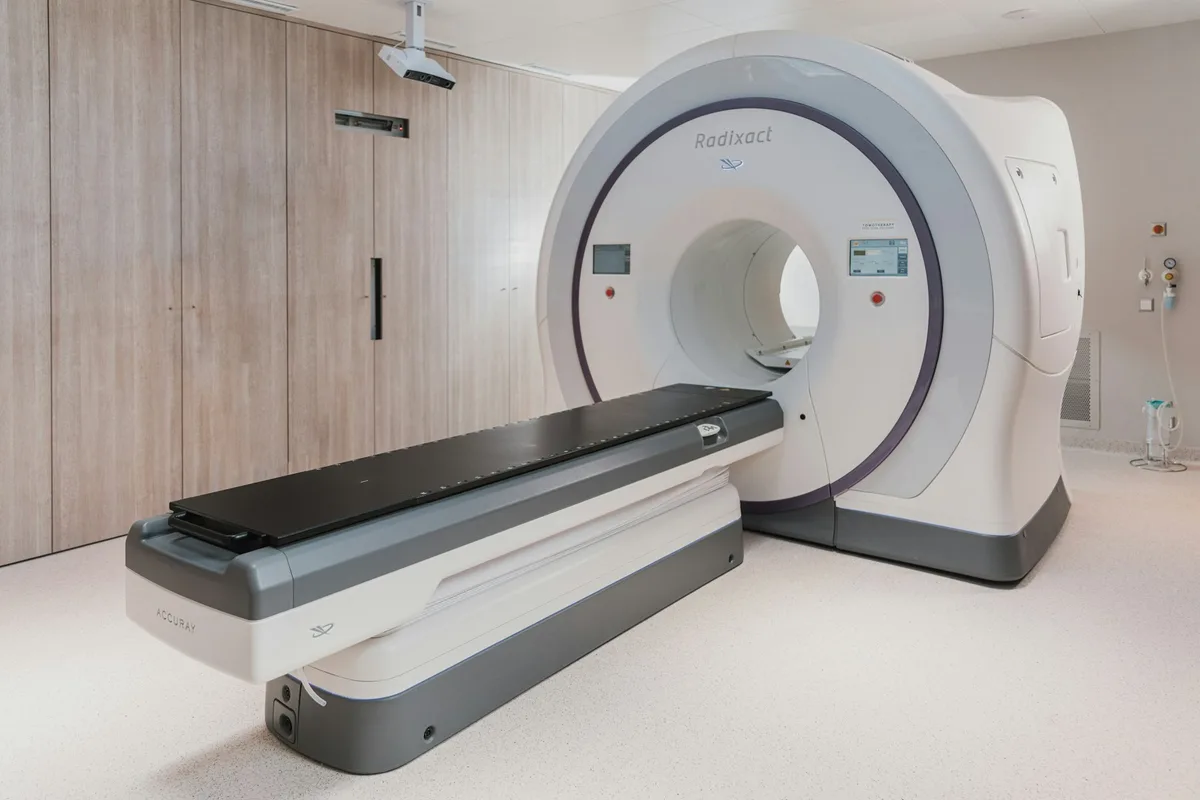
UK radiography splits into two distinct HCPC-registered branches. Diagnostic radiographers run the imaging that underpins most clinical diagnoses — operating X-ray, CT, MRI, ultrasound and fluoroscopy systems, then preparing images for radiologist reporting. Therapeutic radiographers plan and deliver radiotherapy treatments to cancer patients, working closely with clinical oncologists and physicists. Both branches require BSc-level training and HCPC registration before practising.
- Diagnostic radiographers operate X-ray, CT, MRI, ultrasound and fluoroscopy systems
- Therapeutic radiographers plan and deliver radiotherapy treatments for cancer patients
- Specialise after 2–5 years into MRI, CT, mammography, paediatric or interventional imaging
- Work across NHS Trusts, private imaging chains, mobile screening services and cancer centres
UK salary ranges
Radiographers (both branches) are paid on the NHS Agenda for Change bands. Pay starts at Band 5 newly qualified and rises through specialist (Band 6), advanced practitioner (Band 7) and consultant radiographer (Band 8) roles. Private imaging chains pay 10–20% above NHS rates for experienced sonographers and MRI radiographers.
London weighting adds £4,300–£1,200 on top of base pay. Private MRI sonography contractors earn £45/hour+ on flexible bank contracts, and central-London consultant radiographers (typically Band 8a–c) sit at £60,000–£75,000.
Typical entry routes
BSc (Hons) Diagnostic Radiography — 3 years
HCPC-approved degree training in X-ray, CT, MRI, ultrasound and fluoroscopy. Clinical placements typically 50% of degree time.
BSc (Hons) Therapeutic Radiography — 3 years
Separate HCPC-approved degree for radiotherapy specialists. Smaller cohorts but high employment rates.
Radiography Degree Apprenticeship — 4 years
UK home students — fully Trust-funded with a paid trainee salary. Available in both diagnostic and therapeutic branches.
Overseas-trained radiographer HCPC pathway — 4–9 months
For radiographers qualified abroad — HCPC qualification assessment plus English-language test (IELTS 7.0 / OET B).
Skills you'll need
Technical skills
- Operation of X-ray, CT, MRI, ultrasound systems
- Radiation protection and dose optimisation (IRMER regulations)
- Patient positioning and immobilisation
- Picture Archiving and Communication Systems (PACS)
- Treatment planning software (therapeutic radiography)
- Anatomy, physiology and cross-sectional imaging interpretation
Behavioural skills
- Calm and reassuring patient communication
- Attention to detail and accuracy
- Teamwork with radiologists, oncologists and physicists
- Cultural competence with diverse patient groups
- Adaptability across imaging modalities
- Reflective practice and CPD
Major UK employers
NHS Trusts
The largest employer of radiographers in the UK — acute imaging, cancer centres and community diagnostic hubs.
Private imaging providers
InHealth, Alliance Medical, BUPA, Nuffield and HCA run dedicated imaging centres and mobile MRI/CT vans.
Cancer centres
The Royal Marsden, Christie, Clatterbridge and tertiary cancer centres recruit therapeutic radiographers and specialist diagnostic teams.
Mobile & screening services
Breast screening, lung-cancer screening and community diagnostic centres expanding under the NHS Long Term Plan.
Universities & teaching
Senior Lecturer and Clinical Lead Educator roles training the next generation of radiographers.
Locum & agency radiography
Locum radiography agencies place experienced staff at £35–£55/hour. Sonographers in particular can earn well above NHS Band 7 rates on bank contracts.
Career progression
- Years 0–2
Band 5 — Newly Qualified Radiographer
Rotate through general X-ray, theatre, CT and ultrasound to build a broad imaging base.
- Years 2–5
Band 6 — Senior Radiographer
Specialise in MRI, CT, mammography, interventional or paediatric imaging via postgraduate modules.
- Years 5–8
Band 7 — Advanced Practitioner
Take on reporting (advanced-practice plain-film/CT reporting), lead complex services, or move into clinical leadership.
- Years 8+
Band 8 — Consultant Radiographer
Clinical leadership, service-line management, research-active academic posts.
Who you are matters — pick your path
For international students
- UK visa route
- Health & Care Worker visa
- Salary vs visa threshold
- Both diagnostic and therapeutic radiography are on the UK Immigration Salary List with reduced visa thresholds. Band 5 starting pay clears the threshold and NHS Trusts handle sponsorship as standard.
- Sponsor licence density
- Very high — Every NHS Trust holds a Health & Care Worker sponsor licence. Major private imaging chains (InHealth, Alliance Medical, BUPA, Nuffield) also sponsor international radiographers — making this one of the highest sponsor-density fields in UK healthcare.
- Graduate Route considerations
- Graduates of UK radiography degrees use the Graduate Route to take a Band 5 NHS post, then switch to the Health & Care Worker visa for the longer term. Trusts prefer Graduate Route candidates because the conversion is administratively simpler than direct overseas recruitment.
- English-language requirements
- HCPC requires IELTS 7.0 overall with no sub-score below 6.5 (or equivalent OET). Most UK universities ask the same or higher for course entry.
For UK & Settled-Status students
- Student loan ROI
- Radiography BSc tuition costs £9,535/year in England. Plan 5 repayments at 9% above £25,000 mean a Band 5 starting salary repays around £25/month. The NHS Learning Support Fund adds £5,000/year non-repayable grant.
- Apprenticeship vs degree
- The Radiography Degree Apprenticeship is available in both diagnostic and therapeutic branches — fully Trust-funded, no tuition fees, with a paid trainee salary. Cohorts are smaller than in nursing but growing.
- UCAS timeline
- Radiography degree applications go through UCAS with the January deadline. Personal statements should evidence understanding of the technical and patient-facing balance of the role — shadowing or NHS work experience is heavily weighted.
- Industry placements
- All UK radiography degrees include 1,000+ hours of clinical placement across imaging modalities (X-ray, CT, MRI, ultrasound) or radiotherapy planning and delivery (for therapeutic). Placements are unpaid but covered by the NHS Learning Support Fund.
- Regional salary differences
- London weighting adds £4,300–£1,200 to Band 5. Private imaging providers in London and the South East pay 10–20% above NHS rates for experienced MRI and ultrasound radiographers, with sonographer locum work at £45+/hour widely available.
UK degree courses that lead to this career
AEN partners with these UK universities and colleges offering courses on the radiographer pathway:
See all courses in this field: Allied Health Professions →
FAQ — Becoming a Radiographer in the UK
How long does it take to become a radiographer in the UK?
Three years for a BSc in Diagnostic or Therapeutic Radiography, or four years through a Radiography Degree Apprenticeship for UK home students. HCPC registration follows graduation.
What's the difference between diagnostic and therapeutic radiography?
Diagnostic radiographers produce images (X-ray, CT, MRI, ultrasound) for clinical diagnosis. Therapeutic radiographers plan and deliver radiotherapy treatments to cancer patients. Both branches are HCPC-registered but trained on separate degree pathways.
Is radiography on the UK Skilled Worker visa shortage list?
Yes — both branches sit on the Immigration Salary List with reduced visa thresholds. The dedicated Health & Care Worker visa is available, with lower fees and no Immigration Health Surcharge.
Can I become a sonographer from a UK radiography degree?
Yes — post-qualification, most UK sonographers train through a PgDip / MSc in Medical Ultrasound (typically 18–24 months part-time alongside an NHS Band 6 post). Sonographers are among the highest-earning radiographers in private practice.
Are radiography degrees competitive in the UK?
Yes — diagnostic radiography typically gets 5–8 applicants per place. Therapeutic radiography is less oversubscribed but still demands strong personal statements and evidence of shadowing or NHS work experience.
Which UK regions have the strongest radiography demand?
London, the West Midlands and the North West have the most acute hospital imaging demand, while regional centres (e.g. Newcastle, Cardiff, Bristol) have growing community diagnostic hub recruitment under the NHS Long Term Plan.
Your next step
Ready to start your radiographer journey?
Take the 60-second quiz and we'll match you to UK courses that lead to this career — checked against your eligibility, visa status and budget.
- Free for students
- British Council certified advisors
- 7 days a week, 14 languages
Average response time: under 30 minutes during business hours.