Career path
How to become a Paramedic in the UK
Paramedics are autonomous emergency clinicians — assessing, treating and (increasingly) discharging patients in the community without needing to convey to hospital. The role has expanded dramatically over the last decade, with paramedics now running advanced-clinical-practice posts in primary care, urgent treatment centres and even hospital trauma teams. This guide covers training, HCPC registration, salary and visa routes.
- Salary range£28K – £52K
- Demand levelVery high
- Training time3 years (BSc)
- Visa eligibilityHealth & Care Worker
What does a Paramedic do?
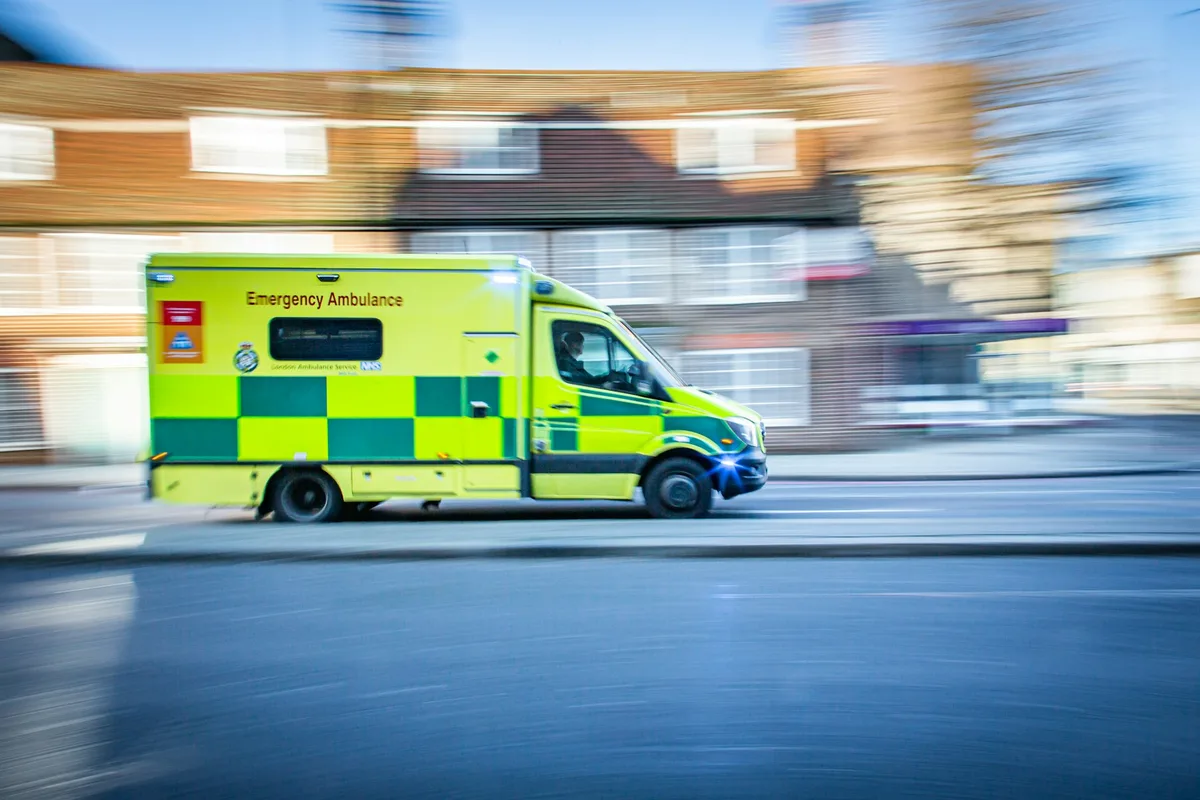
Paramedics provide clinical care across emergency, urgent and unscheduled situations. The day-to-day mix depends on setting: NHS ambulance paramedics respond to 999 calls (cardiac arrests, trauma, mental-health crises, falls); primary-care paramedics see same-day appointments in GP surgeries; urgent-care paramedics run minor injury and illness clinics. All UK paramedics are autonomous clinicians registered with the HCPC — they can administer a wide range of drugs and procedures without a prescriber present.
- Respond to 999 emergency calls and assess patients on-scene
- Administer drugs, fluids and advanced clinical procedures autonomously
- Specialise after 2–5 years into critical care, primary care or HEMS
- Work for NHS ambulance trusts, GP practices, urgent care services and air ambulance charities
UK salary ranges
Paramedics are paid on the NHS Agenda for Change bands, with newly qualified paramedics now starting at Band 5 (rising to Band 6 after typically 18–24 months under the Newly Qualified Paramedic preceptorship). Specialist and advanced practice roles sit at Bands 7 and 8.
London weighting adds £4,300–£1,200 to base pay. Helicopter Emergency Medical Service (HEMS) paramedics and Critical Care Paramedics earn at the top of Band 7 / lower Band 8 and often top up with private event-medic work.
Typical entry routes
BSc (Hons) Paramedic Science — 3 years
The standard HCPC-approved route. Clinical placements alternate between NHS ambulance trusts and hospital A&E departments.
Paramedic Degree Apprenticeship — 3 years
For UK home students. Employer-funded with a paid trainee salary (typically Band 4 base) while studying.
MSc Paramedic Science — 2 years
Pre-registration MSc for graduates of related degrees (Sport Science, Biology, Nursing). Less common but growing.
Overseas-trained paramedic HCPC pathway — 4–9 months
For paramedics qualified abroad — HCPC qualification review plus English-language testing.
Skills you'll need
Technical skills
- Advanced life support and resuscitation
- Trauma assessment and management
- Independent drug administration (paramedic exemptions)
- Cardiac monitoring and 12-lead ECG interpretation
- Pre-hospital ultrasound (advanced practice)
- Electronic patient records (ePCR) and clinical handover
Behavioural skills
- Calm decision-making under pressure
- Empathy across acute distress and grief
- Teamwork with control rooms, fire, police and hospital teams
- Physical resilience and stamina across long shifts
- Reflective practice and clinical supervision engagement
- Cultural competence across diverse community calls
Major UK employers
NHS Ambulance Trusts
Ten regional NHS ambulance trusts in England plus separate trusts in Scotland, Wales and Northern Ireland — the dominant paramedic employer.
Primary care networks
GP practices and Primary Care Networks (PCNs) now hire paramedics directly to run same-day appointments and home visits under the ARRS scheme.
Air ambulance charities
London's Air Ambulance, Yorkshire Air Ambulance and other regional HEMS charities recruit Critical Care Paramedics — among the most prestigious paramedic roles in the UK.
Urgent treatment centres
NHS UTCs and walk-in centres staffed by paramedics, ENPs and ANPs running minor injury and minor illness clinics.
Military & police
Defence Medical Services and specialist police firearms units recruit experienced paramedics for tactical and operational roles.
Event medic & bank
Private event-medic providers, festival medical teams and bank paramedic shifts give experienced staff flexibility — typical bank rates £25–£40/hour.
Career progression
- Year 0–2
Band 5 — Newly Qualified Paramedic
Complete the NQP preceptorship — 1,800 supervised hours plus competency portfolio. Auto-progress to Band 6 on completion.
- Years 2–5
Band 6 — Paramedic
Operate as a full autonomous emergency clinician. Build experience and consider specialty pathways.
- Years 5–8
Band 7 — Specialist / Advanced
Specialise into critical care, primary care, urgent care, mental-health response or HEMS. Many train as Independent Prescribers (V300).
- Years 8+
Band 8 — Consultant Paramedic
Clinical leadership across an NHS ambulance trust, or move into hospital-based Advanced Clinical Practice (often Trauma teams or A&E).
Who you are matters — pick your path
For international students
- UK visa route
- Health & Care Worker visa
- Salary vs visa threshold
- Paramedics are on the UK Immigration Salary List with a reduced visa threshold. Band 5 starting pay clears the threshold without difficulty, and NHS ambulance trusts handle sponsorship as standard.
- Sponsor licence density
- High — All ten English NHS ambulance trusts plus the Scottish, Welsh and Northern Irish services hold sponsor licences. Sponsor density is lower than in nursing because the workforce is smaller, but applications from overseas-trained paramedics are actively encouraged.
- Graduate Route considerations
- Graduates of UK paramedic science degrees can stay on the Graduate Route, take a Band 5 NQP role, and switch to the Health & Care Worker visa after preceptorship.
- English-language requirements
- HCPC requires IELTS 7.0 overall with no sub-score below 6.5 (or OET equivalent). Most universities ask the same or higher for course entry.
For UK & Settled-Status students
- Student loan ROI
- Paramedic Science BSc tuition is £9,535/year in England. Plan 5 student loans repay at 9% of income above £25,000 — a Band 5 starting salary repays around £25/month. The NHS Learning Support Fund adds £5,000/year non-repayable grant.
- Apprenticeship vs degree
- The Paramedic Degree Apprenticeship is widely available through NHS ambulance trusts and major private providers — fully Trust-funded, no tuition fees, with a paid trainee salary. Cohorts fill quickly.
- UCAS timeline
- BSc Paramedic Science applications go through UCAS with the January deadline. Course places are competitive — strong personal statements with shadowing, first-aid experience and a clear understanding of the realities of ambulance work matter more than top A-level grades alone.
- Industry placements
- All UK paramedic science degrees include 1,500+ hours of clinical placement across NHS ambulance trusts and hospital A&E departments. Placements are unpaid but covered by the NHS Learning Support Fund.
- Regional salary differences
- London weighting adds £4,300–£1,200 to Band 5. London Ambulance Service and the regional HEMS charities (London's Air Ambulance) offer some of the most clinically rich paramedic posts in the UK, with Critical Care Paramedic roles often paying at the top of Band 7.
UK degree courses that lead to this career
AEN partners with these UK universities and colleges offering courses on the paramedic pathway:
See all courses in this field: Allied Health Professions →
FAQ — Becoming a Paramedic in the UK
How long does it take to become a paramedic in the UK?
Three years for a BSc in Paramedic Science, or three years through a Paramedic Degree Apprenticeship for UK home students. Newly qualified paramedics complete an 18–24 month preceptorship before progressing from Band 5 to Band 6.
Do paramedics need to register with a professional body in the UK?
Yes — every UK paramedic must be registered with the Health and Care Professions Council (HCPC). "Paramedic" is a protected title under UK law.
Can I become a paramedic in the UK if I qualified abroad?
Yes — submit your qualification to the HCPC for an international application review. Most EU and Commonwealth qualifications register without re-training. Process takes 4–9 months.
Is paramedic on the UK Skilled Worker visa shortage list?
Yes — paramedic science (SOC 3213) sits on the Immigration Salary List with a reduced visa salary threshold. The Health & Care Worker visa is available with lower fees and no Immigration Health Surcharge.
Can paramedics work in GP surgeries?
Yes — under the Additional Roles Reimbursement Scheme (ARRS), Primary Care Networks now hire paramedics directly to run same-day appointments, home visits and urgent-care clinics. Pay is broadly equivalent to NHS Band 6/7 depending on advanced-practice scope.
What's the difference between a paramedic and an emergency care assistant?
Paramedics are HCPC-registered autonomous clinicians who can administer drugs and run advanced clinical procedures independently. Emergency Care Assistants (ECAs) support paramedics on the ambulance but cannot perform clinical decisions or administer most drugs autonomously.
Your next step
Ready to start your paramedic journey?
Take the 60-second quiz and we'll match you to UK courses that lead to this career — checked against your eligibility, visa status and budget.
- Free for students
- British Council certified advisors
- 7 days a week, 14 languages
Average response time: under 30 minutes during business hours.