Career path
How to become a Dentist in the UK
Dentistry is one of the most clinically rewarding and well-paid graduate careers in the UK — chartered Dental Surgeons (BDS / BChD) work across NHS practice, private dentistry and hospital-based oral surgery. UK dental schools are heavily competitive and dentistry is on the UK Skilled Worker shortage list, giving international graduates strong sponsor-visa support.
- Salary range£45K – £140K+
- Demand levelVery high
- Training time5 yr BDS + foundation
- Visa eligibilityHealth & Care Worker
What does a Dentist do?
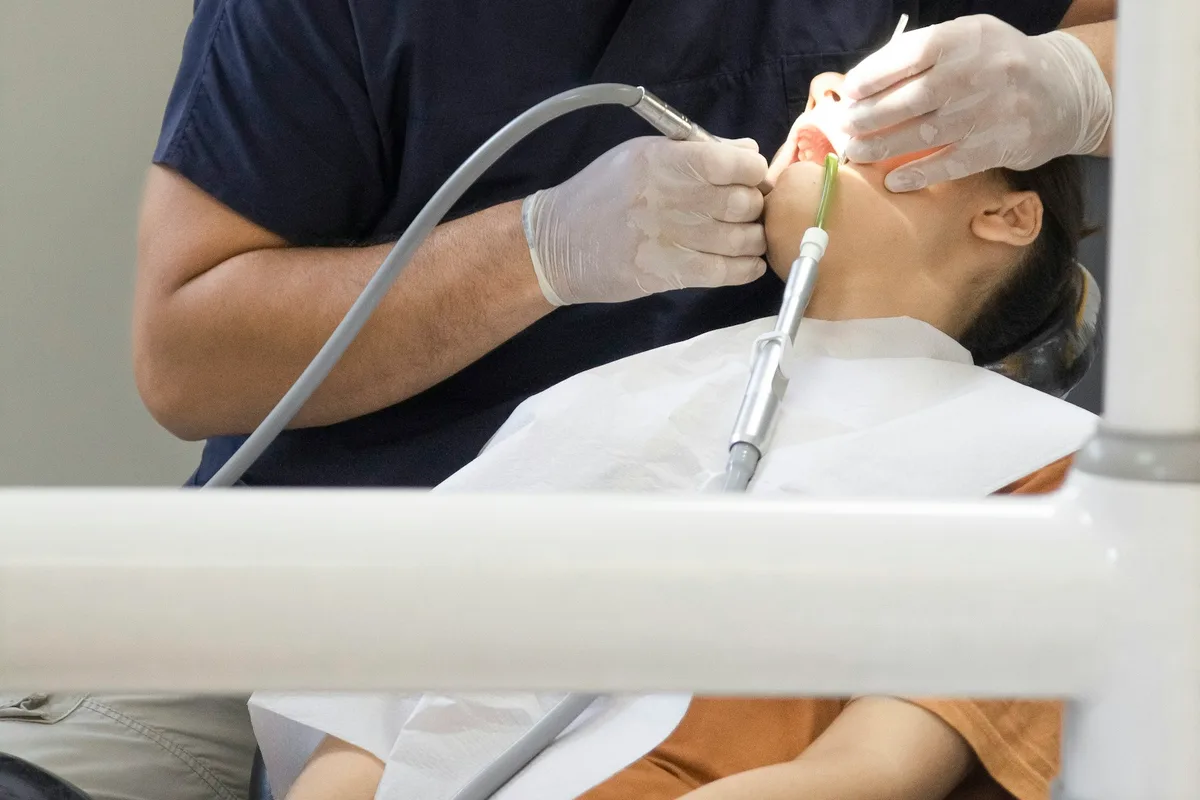
Dentists diagnose and treat conditions of the teeth, gums and mouth. Day-to-day work mixes routine examinations, restorative dentistry (fillings, crowns, bridges), endodontics (root canals), surgical extractions, hygiene reviews and treatment planning. UK dentistry splits between NHS practice (banded contracts, throughput-heavy) and private practice (longer appointments, higher fees). All UK dentists must register with the General Dental Council (GDC) before practising.
- Diagnose and treat oral conditions across general dentistry and specialist areas
- Plan and deliver fillings, crowns, root canals, extractions and orthodontic work
- Specialise after 2–5 years into oral surgery, orthodontics, paediatric dentistry, periodontics or prosthodontics
- Work for NHS practices, mixed NHS / private practices, fully private clinics and hospital trusts
UK salary ranges
UK dentist pay varies dramatically by sector and self-employment structure. Foundation Dentists (DF1 — the first year post-qualification) earn ~£36,000 on NHS contract. Mixed NHS / private associates earn £55,000–£90,000. Fully-private dentists in London and the South East earn £100,000–£250,000+. Practice principals (owners) typically £150,000–£500,000+ depending on practice scale.
London and the South East lead private dental pay by 30–50% over regional UK cities. NHS pay is relatively flat across regions but workforce shortages in coastal and rural areas (Cornwall, North East, Lincolnshire) attract retention premia. Private dentistry in central London (Harley Street, Knightsbridge) sits at the very top of UK dental pay.
Typical entry routes
BDS / BChD — 5 years
The dominant route. A GDC-accredited Bachelor of Dental Surgery (BDS) or BChD degree at a UK dental school. Highly competitive — typical entry requires A*AA at A-level including Chemistry and Biology.
Graduate-entry BDS — 4 years
Accelerated dental degree for graduates of a related discipline (Biomedical Sciences, Biology). Offered at King's, Liverpool and a few others.
Overseas-qualified dentist GDC route
For dentists qualified outside the EEA. The GDC ORE (Overseas Registration Examination) — Part 1 (computer-based) + Part 2 (clinical OSCE). Typical preparation 12–24 months.
Dental Therapist + later BDS conversion
Dental Therapists (3-year BSc) can later complete a top-up BDS at some UK schools. Not the standard route but possible.
Skills you'll need
Technical skills
- Clinical examination and diagnosis
- Restorative dentistry (fillings, crowns, bridges)
- Endodontics and root canal treatment
- Surgical extraction and minor oral surgery
- Digital radiography and CBCT interpretation
- Treatment planning and dental software (Software of Excellence, Carestream)
Behavioural skills
- Calm chair-side manner and patient anxiety management
- Steady hand and fine motor control
- Clear communication about treatment options
- Cultural competence across diverse patient groups
- Ethical decision-making (GDC Standards)
- Time management across heavy daily list
Major UK employers
NHS dental practices
High street NHS-contracted practices across the UK. Banded contract with set UDA (Units of Dental Activity) targets.
Private dental practices
Fully private practices — Bupa Dental Care, mydentist, Portman Dental Care, Rodericks Dental. Higher per-patient fees but no UDA targets.
Specialist & cosmetic
Specialist orthodontic practices, cosmetic dentistry centres, dental implant clinics — central London (Harley Street) and major UK cities.
Mixed practices
NHS + private hybrid practices — dominant UK model. Dentists work an NHS list alongside private treatment for the same patients.
Hospital dental surgery
NHS hospital dental departments — oral surgery, maxillofacial surgery, paediatric and special-care dentistry. Hospital consultant route.
Community & special care
Community dental services, prison dentistry, school dental teams — for patients who can't access mainstream dentistry.
Career progression
- Year 1 (DF1)
Foundation Dentist
Complete a 12-month Dental Foundation Training (DF1) post-qualification — supervised NHS practice with structured mentoring.
- Years 2-5
Associate Dentist
Move to an associate role in NHS, mixed or private practice. Build clinical confidence and start choosing a specialty path.
- Years 5-10
Specialist / Senior Associate
Specialise via a 3-year accredited postgraduate programme (oral surgery, orthodontics, paediatric dentistry, endodontics, prosthodontics).
- Years 10+
Practice Principal / Consultant
Buy into or open a practice (principal route), or progress to Consultant in hospital dental surgery. Highest UK dental pay sits here.
Who you are matters — pick your path
For international students
- UK visa route
- Health & Care Worker visa (preferred over standard Skilled Worker)
- Salary vs visa threshold
- Dentistry is on the UK Immigration Salary List with a reduced visa threshold. Foundation Dentist DF1 pay (£36,000+) and Associate Dentist pay (£55,000+) clear the reduced threshold without difficulty.
- Sponsor licence density
- High — Large dental corporates (Bupa Dental Care, mydentist, Portman Dental Care, Rodericks Dental) hold sponsor licences and routinely sponsor international dentists post-DF1. NHS hospital dental departments also sponsor. Smaller independent practices often don't hold licences — international applicants should target the major corporates first.
- Graduate Route considerations
- UK BDS graduates use the Graduate Route to complete DF1 and start as an associate, then switch to Health & Care Worker visa once registered. Almost all UK BDS international graduates use this pathway.
- English-language requirements
- The GDC requires IELTS 7.0 overall (7.0 in listening / reading, 6.5 in writing / speaking) or OET grade B in all sub-tests. Dental schools typically ask the same or higher for course entry.
For UK & Settled-Status students
- Student loan ROI
- A 5-year BDS at £9,535/year tuition costs £47,675 — Plan 5 student loans cover the full amount. With Foundation Dentist starting pay at £36,000 and Associate pay at £55,000+, repayments (9% over £25,000) sit at £100–£250/month. Best ROI of any UK undergraduate degree given clinical earning potential.
- Apprenticeship vs degree
- Dental Therapy and Dental Hygiene Apprenticeships are available at Level 5 (Dental Nurse / Therapist) — but the BDS Dentist route is not delivered via apprenticeship in the UK. Full 5-year university route is required to qualify as a Dentist.
- UCAS timeline
- BDS / BChD applications go through UCAS with the 15 October deadline (one month earlier than most other degrees). Most schools require the UCAT clinical aptitude test plus interview. Typical academic offer: A*AA at A-level including Chemistry and Biology.
- Industry placements
- All UK BDS degrees include extensive clinical placements in dental schools and outreach community practices. The 12-month post-qualification DF1 year is a separate full-time NHS-contracted post — paid as a junior dentist with structured mentoring.
- Regional salary differences
- Foundation Dentist DF1 pay is national (~£36,000). Associate Dentist pay scales sharply with private mix — fully NHS associates in regional UK earn £55,000–£70,000; mixed practice associates £70,000–£100,000; fully-private central London associates £140,000–£250,000+.
UK degree courses that lead to this career
AEN partners with these UK universities and colleges offering courses on the dentist pathway:
See all courses in this field: Dentistry →
FAQ — Becoming a Dentist in the UK
How long does it take to become a Dentist in the UK?
6 years total: a 5-year BDS / BChD undergraduate degree plus a 12-month Dental Foundation Training (DF1) year before becoming a fully independent Associate Dentist. Specialisation requires an additional 3 years post-DF1.
Is Dentist on the UK Skilled Worker visa shortage list?
Yes — dentistry sits on the UK Immigration Salary List with a reduced visa salary threshold. The Health & Care Worker visa is available with lower fees and no Immigration Health Surcharge.
Can I work as a Dentist in the UK if I qualified abroad?
Yes — overseas-trained dentists from outside the EEA register via the GDC Overseas Registration Examination (ORE): Part 1 (computer-based knowledge test) and Part 2 (clinical OSCE). Typical preparation 12–24 months. EEA dental qualifications register more directly.
What's the difference between NHS and private dentistry?
NHS dentistry runs on banded contracts with set UDA (Units of Dental Activity) targets — high throughput, modest per-patient fees. Private dentistry has longer appointments, higher per-patient fees, no UDA targets. Most UK dentists work in mixed NHS + private practice.
Which UK dental schools are best?
King's College London, Birmingham, Manchester, Leeds, Bristol, Cardiff, Newcastle, Glasgow, Sheffield, Liverpool, Plymouth, Queen Mary London (Barts) — all UK dental schools are highly regarded and competitive. International applications welcome at all of them.
Can dentists specialise in the UK?
Yes — UK Specialist List includes Orthodontics, Oral Surgery, Paediatric Dentistry, Periodontics, Prosthodontics, Endodontics, Restorative Dentistry, Special Care Dentistry, Dental Public Health, Oral Medicine, Dental and Maxillofacial Radiology. Each requires a 3-year accredited postgraduate programme.
Your next step
Ready to start your dentist journey?
Take the 60-second quiz and we'll match you to UK courses that lead to this career — checked against your eligibility, visa status and budget.
- Free for students
- British Council certified advisors
- 7 days a week, 14 languages
Average response time: under 30 minutes during business hours.