Career path
How to become a Forensic Scientist in the UK
Forensic Scientists analyse evidence from crime scenes to support criminal investigations — DNA, fingerprints, ballistics, toxicology, digital forensics. The UK job market is competitive (the field is popular among graduates but specialist employer demand is modest), but the career offers strong intellectual challenge and contributes directly to the justice system.
- Salary range£25K – £55K
- Demand levelModerate (competitive)
- Training time3 yr BSc + lab placement
- Visa eligibilitySkilled Worker
What does a Forensic Scientist do?
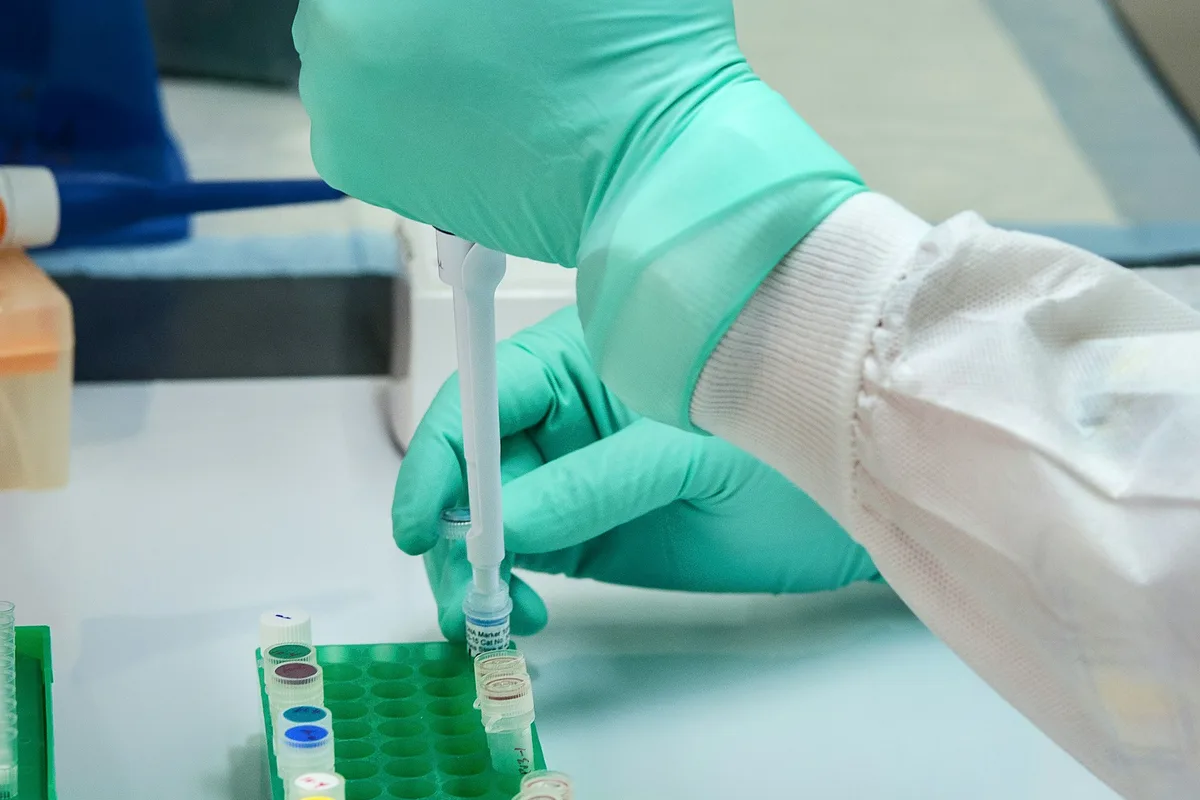
Forensic Scientists examine physical evidence collected from crime scenes and provide impartial scientific analysis to support criminal investigations. Day-to-day work mixes laboratory analysis (DNA profiling, drug identification, fingerprint examination, ballistics, fibre and paint comparison), chain-of-custody documentation, expert-witness statement writing, and occasional court appearances. UK forensic science is now provided largely by private commercial labs (Cellmark, Eurofins, Key Forensics) on contract to police forces — the Forensic Science Service was disbanded in 2012.
- Analyse physical evidence — DNA, toxicology, ballistics, trace evidence, digital
- Provide expert witness testimony in UK criminal court proceedings
- Specialise into DNA, toxicology, document examination or digital forensics
- Work for Cellmark, Eurofins Forensic Services, police force labs and Home Office providers
UK salary ranges
UK Forensic Scientist pay is modest by science-career standards. Junior Forensic Scientists at commercial labs start at £24,000–£28,000. Senior Forensic Scientists and Reporting Officers reach £40,000–£55,000. Forensic Scientists rarely earn above £60,000 without moving into management or expert-witness consulting.
Major UK forensic labs concentrated near police hubs — Birmingham, Manchester, Risley, Abingdon, London. London adds 10-15% to forensic salaries. Expert-witness consulting (post-Senior level) can supplement income substantially.
Typical entry routes
BSc Forensic Science — 3 years
A Chartered Society of Forensic Sciences (CSFS)-accredited undergraduate degree. UK schools at King's College London, Strathclyde, Staffordshire, Lincoln, Teesside are well-regarded.
BSc Chemistry / Biology + MSc Forensic — 4 yrs
A pure-science undergraduate degree followed by a specialist MSc in Forensic Science, Forensic Toxicology or Forensic Genetics. Common route given competitive job market.
Forensic Science Apprenticeship — 3-4 years
UK home students. Forensic Practitioner apprenticeships at Level 4 and Level 6. Limited cohorts, often through police force partnerships.
Police staff conversion
Some UK forensic scientists transition from police staff (Scenes of Crime Officer) into laboratory analysis via on-the-job training plus part-time MSc.
Skills you'll need
Technical skills
- DNA profiling (STR, Y-chromosome analysis)
- Gas chromatography-mass spectrometry (GC-MS) for drug analysis
- Microscopy (fibre, hair, paint comparison)
- Chain-of-custody documentation
- Statistical evaluation of forensic evidence (Bayesian, likelihood ratios)
- Specialist forensic software (STRmix, GenMapper, Forensic Toolkit)
Behavioural skills
- Attention to detail under high-stakes pressure
- Calm impartiality (not advocate for prosecution or defence)
- Clear written and oral communication for courts and juries
- Resilience across distressing case material
- Ethical decision-making (CSFS Code of Conduct)
- Continuous learning across rapidly evolving forensic techniques
Major UK employers
Cellmark Forensic Services
UK's largest commercial forensic provider — substantial DNA, drugs, marks and digital forensics teams.
Eurofins Forensic Services
Major UK commercial forensic provider — broad service portfolio including biology, chemistry, digital and toxicology.
Police force in-house labs
Metropolitan Police, Greater Manchester Police and others run in-house forensic services — typically specialist (fingerprints, digital, scenes of crime).
Key Forensic Services
Specialist UK provider — strong in toxicology and complex casework. Now part of LGC Group.
Universities & research
UK university forensic departments running NIHR-funded and Home Office-funded forensic research.
Independent expert witnesses
Self-employed forensic experts providing court reports — typically post-Year 10 with strong reputation and Reporting Officer experience.
Career progression
- Years 0-2
Junior Forensic Scientist
Join a commercial forensic lab or police in-house team. Build core analytical and chain-of-custody skills.
- Years 2-5
Forensic Scientist
Run independent case analyses across chosen specialism (DNA, drugs, marks, ballistics).
- Years 5-10
Senior / Reporting Officer
Sign off case reports independently and act as expert witness in UK criminal courts.
- Years 10+
Principal Scientist / Lab Manager
Lead a specialist forensic team. Or move into consulting and expert-witness independence.
Who you are matters — pick your path
For international students
- UK visa route
- Skilled Worker visa
- Salary vs visa threshold
- Junior Forensic Scientist pay (£24,000–£28,000) sits below the standard Skilled Worker visa salary threshold — meaning fresh graduates often struggle to secure visa sponsorship in this field. Senior Forensic Scientist pay (£38,000+) clears the threshold.
- Sponsor licence density
- Low — Sponsor density in UK forensic science is one of the lowest in UK STEM. Cellmark, Eurofins and other commercial providers do hold sponsor licences but rarely sponsor junior roles. International applicants should be aware this is one of the hardest UK STEM careers for sponsor-visa entry.
- Graduate Route considerations
- UK BSc Forensic Science / MSc graduates use the Graduate Route to take a junior forensic role, gain Reporting Officer experience, then switch to Skilled Worker visa once salary clears the threshold. The Graduate Route is the dominant pathway for international forensic graduates.
- English-language requirements
- Universities ask IELTS 6.5 with no sub-score below 6.0 for BSc / MSc Forensic Science. Forensic scientists giving evidence in UK courts need exceptional spoken and written English.
For UK & Settled-Status students
- Student loan ROI
- A Forensic Science BSc + (often) MSc degree is funded through Plan 5 student loans. With junior pay at £24,000–£28,000, repayments at 9% above £25,000 are minimal initially. Modest mid-career salary ceiling means ROI on the degree is lower than other UK STEM routes.
- Apprenticeship vs degree
- Forensic Practitioner Apprenticeships are available at Level 4 and Level 6 — fully employer-funded with a paid trainee salary. Limited cohorts, typically through specific police force partnerships. Best for UK home students certain of forensic science as a career.
- UCAS timeline
- BSc Forensic Science applications go through UCAS with the January deadline. Typical offers BBB-ABB at A-level including Chemistry or Biology. CSFS accreditation matters — check the course list before applying.
- Industry placements
- Most UK Forensic Science BSc degrees offer optional industrial placements between Year 2 and Year 3. Placements at commercial forensic providers are competitive but provide essential industry experience.
- Regional salary differences
- London adds 10-15% to UK forensic salaries. Major UK forensic labs concentrated near police hubs — Birmingham, Manchester, Abingdon, London. Pay scales evenly across UK regions for forensic science.
UK degree courses that lead to this career
AEN partners with these UK universities and colleges offering courses on the forensic scientist pathway:
See all courses in this field: Forensic Science →
FAQ — Becoming a Forensic Scientist in the UK
How long does it take to become a Forensic Scientist in the UK?
Typically 3-4 years for a CSFS-accredited Forensic Science BSc (or BSc Chemistry / Biology + 1-year MSc Forensic Science). Reporting Officer status — independent court testimony — usually follows 5-7 years of supervised operational work.
Is Forensic Scientist on the UK Skilled Worker visa shortage list?
No — and sponsor density is one of the lowest in UK STEM. International forensic graduates typically use the Graduate Route while gaining experience before switching to Skilled Worker visa once salary clears the threshold.
Is the UK forensic job market competitive?
Yes — UK forensic science is famously over-supplied. Many UK Forensic Science graduates end up in adjacent careers (biomedical sciences, pharmaceutical QC, data analysis). The career is intellectually rewarding but financially modest.
Which UK universities are best for Forensic Science?
King's College London, Strathclyde, Staffordshire, Lincoln, Teesside, Robert Gordon, Liverpool John Moores, Wolverhampton — all CSFS-accredited and well-regarded. Cross-check with CSFS accredited course list.
What happened to the UK Forensic Science Service?
The state-run Forensic Science Service (FSS) was closed in 2012. UK forensic provision is now mostly commercial (Cellmark, Eurofins, Key Forensics) under contract to police forces, plus some in-house police-staff teams.
Can I move from Forensic Science to a different career?
Yes — many UK Forensic Science graduates transition to adjacent careers including Biomedical Scientist (NHS, on shortage list with strong sponsor support), pharmaceutical QC, drug development R&D, data analysis, and academic research. The analytical and statistical skills are highly transferable.
Your next step
Ready to start your forensic scientist journey?
Take the 60-second quiz and we'll match you to UK courses that lead to this career — checked against your eligibility, visa status and budget.
- Free for students
- British Council certified advisors
- 7 days a week, 14 languages
Average response time: under 30 minutes during business hours.